Best Time To Visit El Yunque: Season By Season
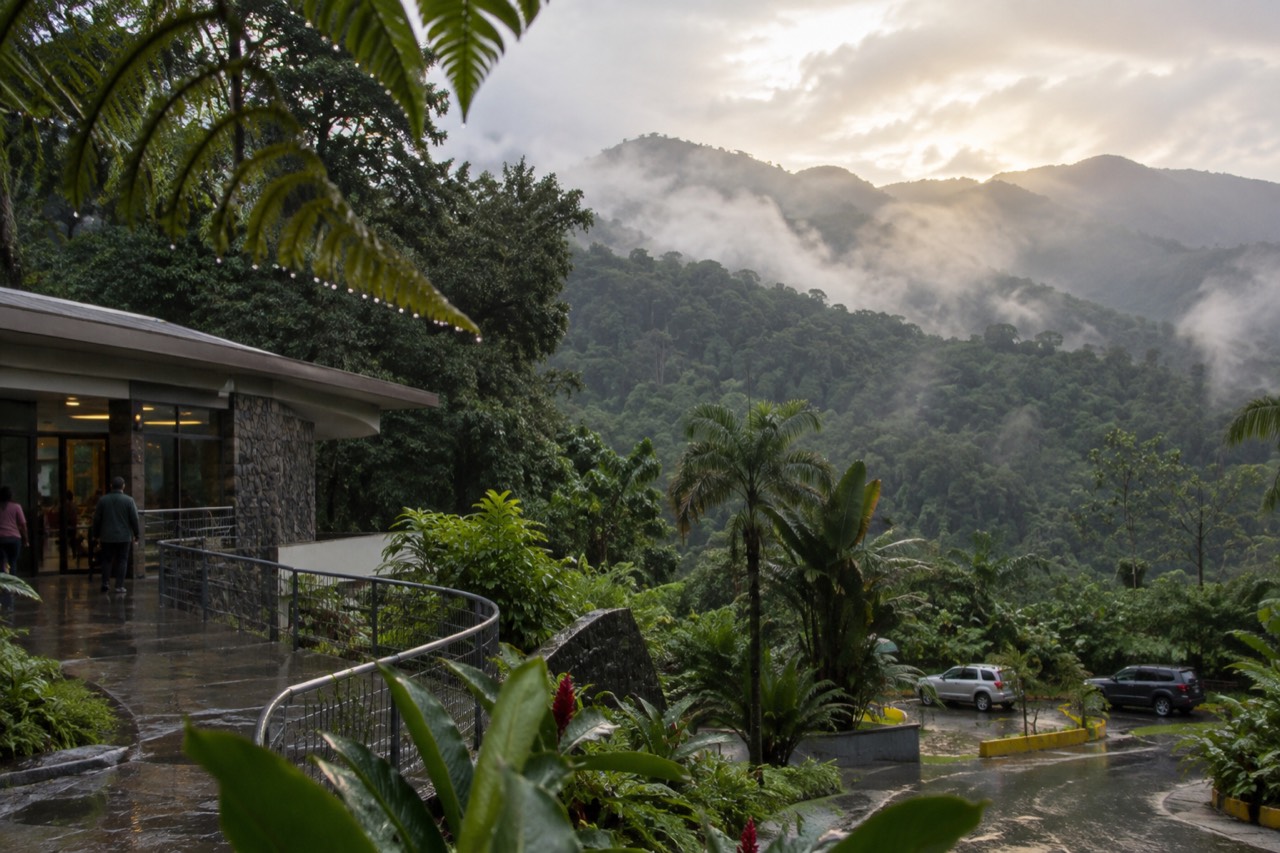
El Yunque is open year round, but the experience changes with the season: winter brings cruise crowds and dry air, spring brings flash-flood season, and late summer brings the quietest trails and the biggest storms. Here is how to match your date to the right kind of day.
Short answer
The best time to visit El Yunque is midweek in the shoulder months of April through June or September through early December, when cruise traffic drops and tour slots are easier to book. The forest is open 8:00 a.m. to 5:00 p.m. daily, entry is free, and arriving early beats the parking crunch.
El Yunque National Forest does not close for winter, and it does not close for rain. At 28,516 acres spread across eight municipalities in northeastern Puerto Rico, it is the only tropical rainforest within the national forest system, and it takes weather from the Atlantic all year. What changes through the year is not the forest. It is the number of people on the PR-191 corridor, the chance of a flash flood, and which guided departures still have seats.
That last part matters more than most planning guides admit. The Forest Service manages visitor capacity in the recreational corridor because of parking limitations, in collaboration with the Puerto Rico Police, and on a busy cruise day the designated lots fill by mid-morning. A traveler choosing between April and October is really choosing between two different trips. This guide walks through what each part of the year actually delivers, and how to pick the tour slot that fits the date you already have.
What Is The Best Time Of Year To Visit El Yunque?
The best time of year to visit El Yunque is the shoulder window from mid-April through early June, when cruise traffic eases, rainfall sits between the winter dry and the autumn peak, and tour departures still have availability across the roster. Late September through mid-December is the close second, trading a higher storm risk for the quietest trails of the year.
The honest framing starts with what does not change. Entrance to the PR-191 North recreational corridor in Río Grande is free and no reservations are required, with operating hours of 8:00 a.m. to 5:00 p.m. That is true in February and it is true in August. What shifts is pressure on the parking that the Forest Service uses to manage capacity, and that pressure tracks the San Juan cruise calendar almost exactly.
Winter is the peak, and it is the peak for reasons that have little to do with the forest itself. Puerto Rico recorded 1,360,937 cruise passengers and 515 ship calls in the November 2025 to April 2026 winter season, a 43 percent jump over the season before, as Caribbean Journal reported. Many of those passengers look inland for a shore day, and El Yunque is the obvious draw. If your own dates are locked to a winter week, the fix is not to skip the forest, it is to go early and go midweek.
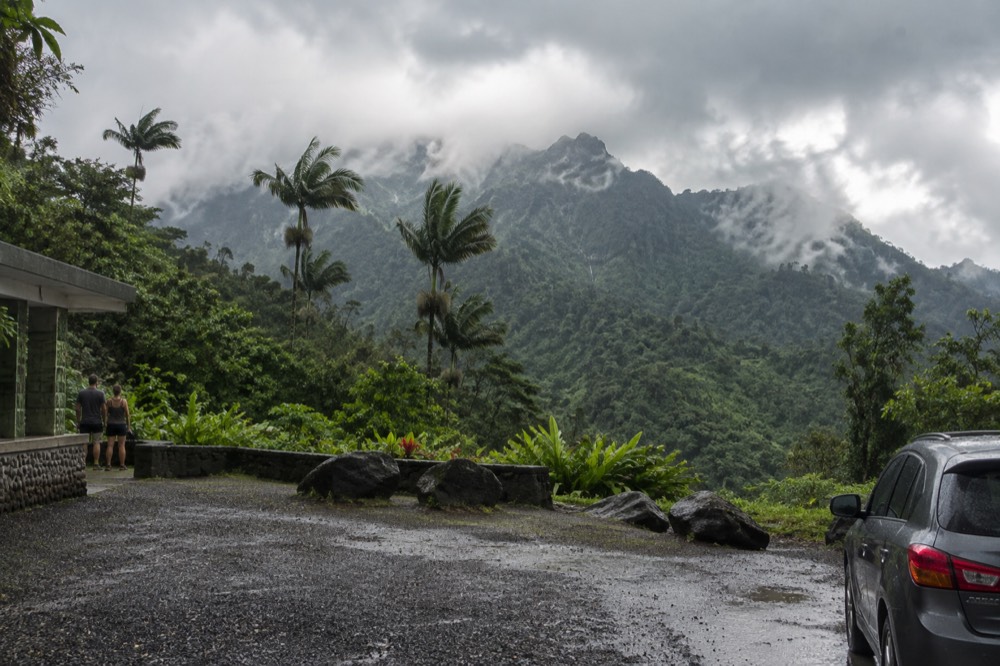
Rain is the other axis. Annual rainfall ranges from 2,450 mm at lower elevations to over 4,000 mm at the higher stations, roughly 96 inches at the bottom and 157 inches near the top, with the highest readings at El Yunque Peak. There is no dry season in the sense a desert has one. There are only wetter and less wet months, and the Forest Service notes that flash floods can occur throughout the year but are more frequent during the rainy months of April and May.
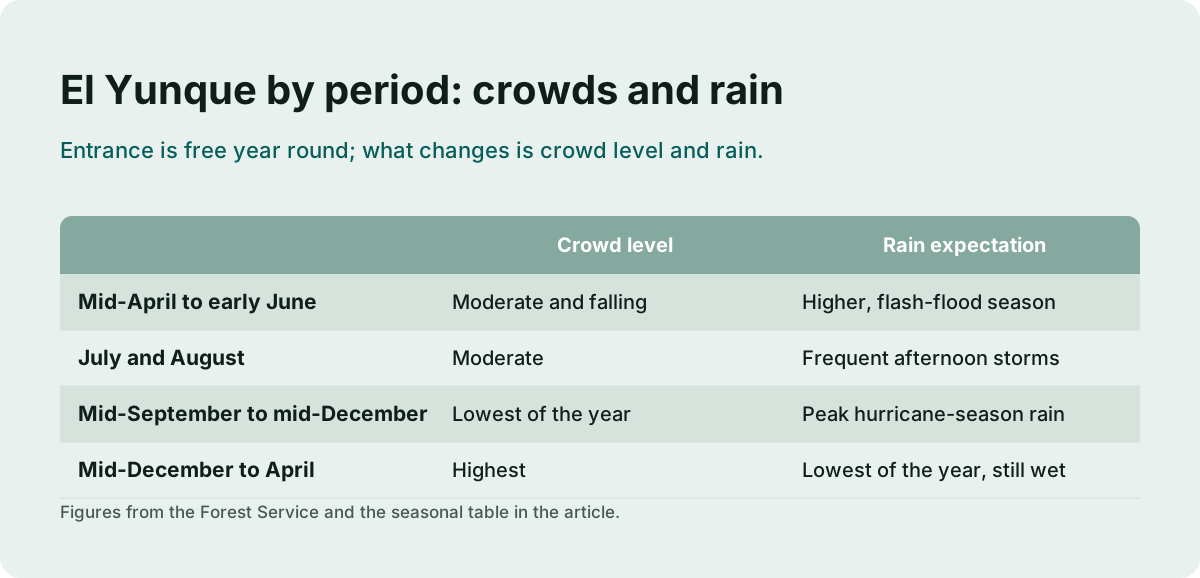
| Period | Crowd level | Rain expectation | Best for |
|---|---|---|---|
| Mid-April to early June | Moderate and falling | Higher, flash-flood season | Fewer cruise days, open tour slots |
| July and August | Moderate | Frequent afternoon storms | Families on school break, warm river pools |
| Mid-September to mid-December | Lowest of the year | Peak hurricane-season rain | Quiet trails, cheapest slots, storm risk |
| Mid-December to April | Highest | Lowest of the year, still wet | Dry air, full facilities, cruise crowds |
Is Morning Or Afternoon Better For An El Yunque Tour?
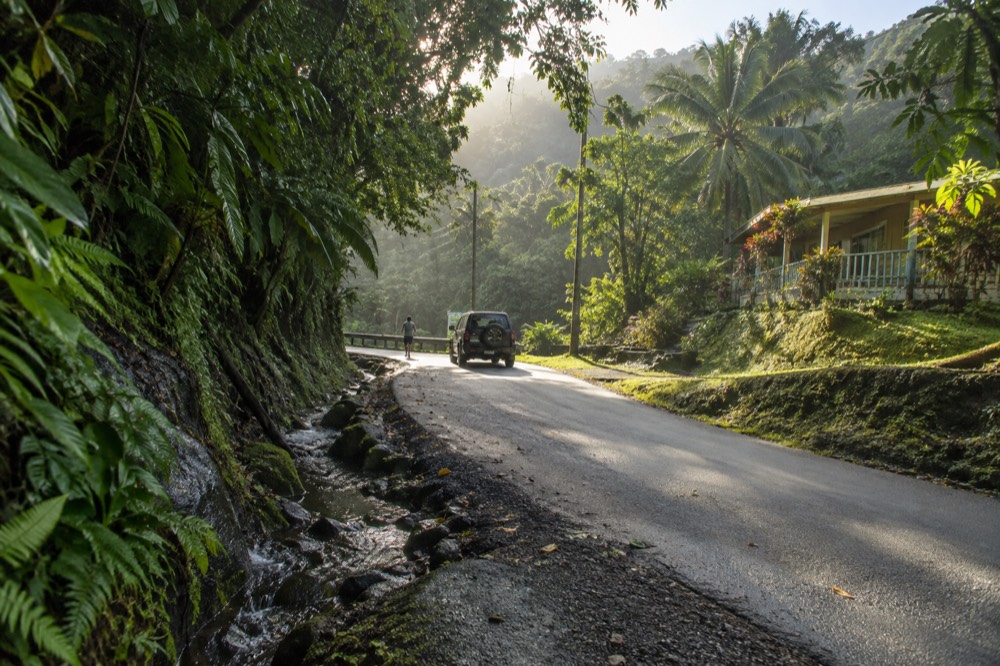
Morning is better for nearly every El Yunque visit, because the corridor opens at 8:00 a.m., parking lots fill first, afternoon clouds build over the peaks, and the Forest Service asks visitors to begin exiting by 4:45 p.m. before the 5:00 p.m. close. A morning departure buys you the clearest tower views and the easiest parking of the day.
The mechanics are simple. The recreational corridor closes right at 5:00 p.m., and the Forest Service advises visitors to begin the process of exiting the forest at least 15 minutes before closing time. That makes the usable day shorter than the posted hours suggest, and it stacks most independent visitors into the late morning, when the Yokahú Tower lot hits its thirty-minute maximum and the La Coca Falls pull-offs start ticketing cars parked outside designated areas.
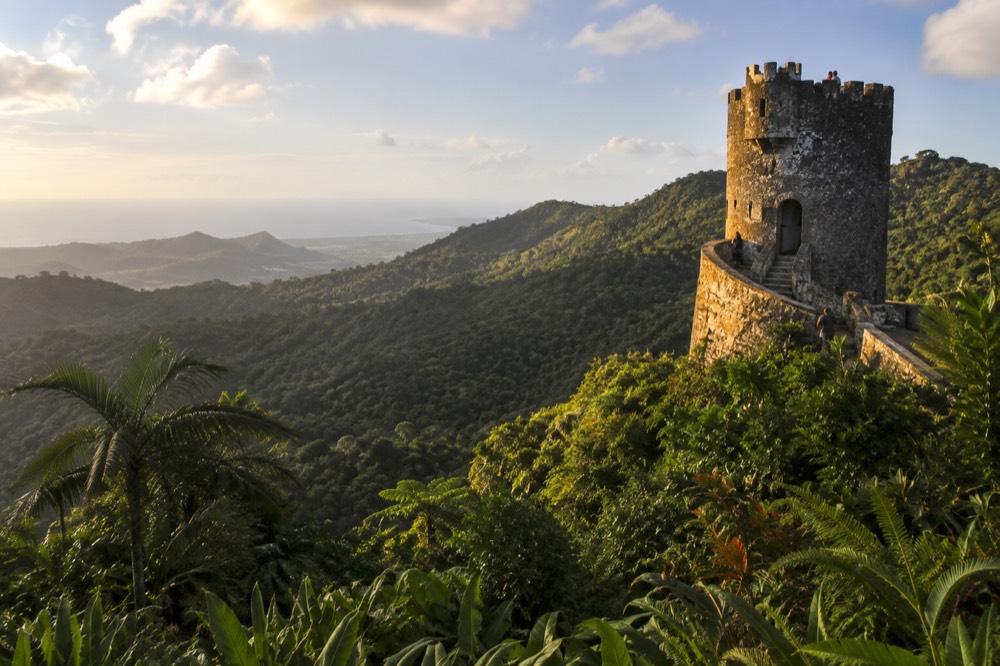
Weather reinforces the schedule. Mountain cloud cover typically thickens through the afternoon, which matters if your day includes Yokahú Tower or the Mount Britton Tower, both built for long views. The tower at Mount Britton sits at 3,087 feet and offers a panoramic view of the forest, the Atlantic and the Caribbean on a clear day. Clear, in El Yunque, is a morning condition more often than an afternoon one.
For tour buyers the calculus is the same in a different form. The Half-Day El Yunque National Forest Tour from San Juan runs 5 hours from $100, rated 4.3 across 955 reviews, with confirmed stops at La Coca Falls and Yokahú Tower. Morning departures on that tour are the ones that see the corridor before the lots fill. There is a fuller discussion of the timing question in our piece on morning versus afternoon visits, and our guide to how early to arrive covers the parking arithmetic in detail.
If your dates fall on a cruise day, the same three tours in the band above are the ones to compare first: a half-day corridor tour, a full island day with pickup, and a self-drive waterslide option at a very different price point.
Which Months Have The Biggest Crowds At El Yunque?
Mid-December through April is the busiest stretch, driven by winter cruise season and holiday travel, with the Luquillo side drawing around one million kiosk visitors a year on top of forest traffic. Weekends in that window see the designated parking fill earliest, and the thirty-minute limits at Yokahú Tower and Juan Diego are enforced most strictly.
The cruise calendar is the engine. Beyond the record winter season, the port is expanding: Puerto Rico is investing approximately $45 million across the two Panamericano cruise piers in San Juan Bay, with completion projected for late 2026 ahead of the 2026-2027 season, per the island's fiscal authority. Governor Jenniffer Gonzalez Colon projects San Juan cruise volume rising from 1.8 million passengers in 2025 to over two million. More ships means more shore-day pressure on the same corridor.
Holiday weeks inside that window are the sharpest spikes: the stretch between Christmas and New Year, and the week around Easter. On those days the practical difference between a good visit and a frustrating one is usually whether someone else is solving transport and parking for you.
That is the honest case for a guided tour here, and it is not about skipping a line. There is no reservation to skip. The Forest Service publishes a directory of authorized and permitted tour operators, warns that not every taxi driver holds a forest permit, and notes that rideshare apps cannot pick up at the corridor or El Portal, forcing visitors to walk long distances to a valid pick-up point. A permitted tour vehicle with a legal drop-off solves the two problems that actually constrain a winter day: parking and getting back out.
A permitted operator also knows which trails are actually open on the day, which matters more in El Yunque than in most forests. Closures here change with construction and storm recovery, and the Forest Service's own alerts page is the live authority. Our rundown of why parts of the forest are closed explains what is behind the current status.
| Crowd driver | When it peaks | What it hits hardest |
|---|---|---|
| Winter cruise season | November to April | Corridor parking, tower stops, tour availability |
| Holiday weeks | Late December, Easter week | Everything, all day |
| Luquillo kiosk traffic | Weekends year round | Road 988, beach lots, kiosk stops |
| Summer family travel | June to August | Waterslide and beach-combo tours |
When Is The Rainy Season At El Yunque?
El Yunque has no dry season, only wetter and less wet months: annual rainfall runs from about 96 inches at lower elevations to over 157 inches near the peak, and the Forest Service flags April and May as the months when flash floods are most frequent. Rain is a daily possibility in every season.
The numbers come from long-term research published by the USDA Forest Service's International Institute of Tropical Forestry, which found rainfall increasing with elevation up to about 700 meters, with the highest annual average, around 4,300 mm, recorded at the El Yunque Peak station. One weather station at La Mina recorded annual totals varying between 3,730 and 6,450 mm over eight years. In inches, that top figure is 254. This is a forest where the rain is the ecosystem.
Flash flooding is the part that matters for planning. During a flash flood, rapidly rising water can reach heights of 30 feet or more, and a sudden surge can claim victims in less than one minute, according to the Forest Service's flooding guidance. The safety advice is blunt: stay alert for heavy rain both where you are and upstream, get to higher ground, and never cross flowing streams.
If your trip includes river time, the tools exist to check conditions yourself. The Río Mameyes, which the Angelito Trail leads down to, has a live USGS stream gauge publishing real-time discharge and gage height, so you can look at the river before you get in it. The Río Espíritu Santo has a National Weather Service gauge page listing flood stages and recent crests. Our guide to El Yunque in the rain goes deeper on what a wet day does and does not ruin.
Is Hurricane Season A Bad Time To Visit El Yunque?
Hurricane season, June through November, is not automatically a bad time to visit: it is the quietest and often cheapest window, but it carries real storm risk, with September the peak month for both. If your dates are flexible within the season, early June and late November into December offer the best balance of calm weather and thin crowds.
The forest's own history explains the stakes. Hurricanes Irma and María in 2017 caused structural damage across the forest, closed El Portal until its January 2022 reopening, and left trail damage that recovery work is still addressing years later. A direct hurricane strike is rare in any given week, but the season's ordinary tropical waves can dump enough rain in an afternoon to close river areas and change tour itineraries.
What the season gives back is space. Late September through October, outside holiday weeks, is the emptiest the corridor gets all year. Tour operators run with smaller groups, and slots that sell out in February are open in October. Travelers who book with free cancellation, which most of the roster carries, can hold a morning departure and rebook around weather with little friction.
One seasonal item worth knowing regardless of when you visit: El Portal Rainforest Center, the forest's main visitor center, closes for two weeks of maintenance every September, and the Forest Service publishes the exact dates as an alert each year. The center is the only fee site in the forest, at $8 for visitors 16 and over and free under 15, or $4 with an interagency pass. Check the alert before assuming it is open on your date. Our page on tickets and reservations covers El Portal ticketing in full.
For storm-season flexibility, the island day tour above is a strong fit: hotel pickup, free cancellation, and a 6 to 7 hour loop from $89 that includes La Coca Falls, Yokahú Tower and Piñones, so one booking covers transport even if the weather forces a reshuffle of stops.
What Is The Best Day Of The Week To Visit El Yunque?
Tuesday through Thursday are the best days to visit El Yunque, because cruise ships dock in San Juan on every day of the week but weekend traffic adds local and island visitors on top of them. A midweek morning gives you the corridor at its emptiest for the year you are traveling in, whatever the season.
Weekends layer two crowds on top of each other. Cruise passengers arrive regardless of the day, and on Saturdays and Sundays they are joined by Puerto Rican families, especially on the Luquillo side, where the kiosks draw around a million visitors a year by Puerto Rico Tourism Company figures. Road 988, the Luquillo entrance, connects directly to PR-191 North just above El Portal, so beach traffic and forest traffic share the same pinch points.
Monday has a quirk worth knowing: it is the day most likely to carry deferred maintenance closures, since crews often schedule work to start after the weekend. It is not a rule, and the Forest Service does not publish it as one, but checking the alerts page on a Sunday evening for a Monday visit is a cheap habit.
The day of the week also changes the tour market. Small-group departures that run daily still fill first on weekends, and the self-drive options, where you meet the guide at the trailhead, depend on you securing your own parking. On a midweek morning that parking is easy. On a Saturday in February it is not. Our guide to getting to El Yunque from San Juan walks through the transport options, including why rideshare fails as an exit from the corridor.
| Day | Independent visit | Guided tour availability |
|---|---|---|
| Monday | Light crowds, watch for maintenance closures | Usually open |
| Tuesday to Thursday | Lightest midweek traffic | Best selection of departures |
| Friday | Building weekend traffic | Morning slots go first |
| Saturday | Heaviest local traffic | Books out first in season |
| Sunday | Heavy morning, easing late day | Afternoon slots sometimes open |
How Do Cruise Ship Days Change Your El Yunque Visit?
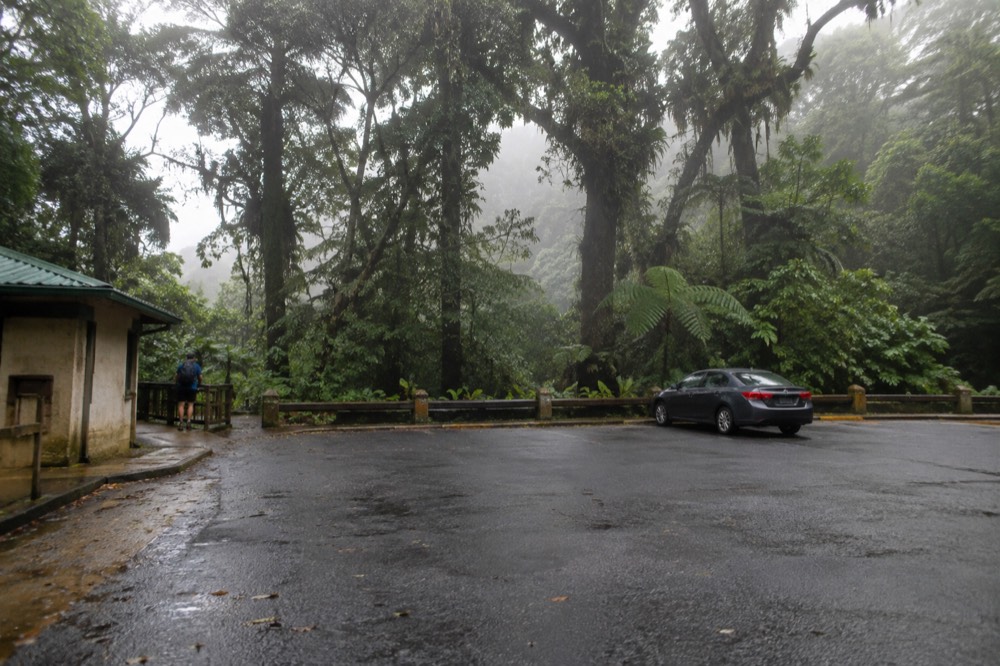
On heavy cruise days, corridor parking fills by late morning, tower lots hit their thirty-minute caps immediately, and tour departures sell out days ahead, so the practical move is to book a permitted tour with transport rather than drive yourself. The port's expansion means this pressure is increasing, not easing.
The scale is the story. Beyond the 1.8 million passengers San Juan handled in 2025, the projected rise past two million, and the $45 million pier investment, the timing matters: ships typically dock early and passengers head straight for shore excursions. That puts the biggest wave of visitors on the PR-191 corridor between mid-morning and early afternoon, exactly the hours a self-driver would otherwise choose.
For a cruise passenger, the calculus is different from a hotel guest. Your ship day is fixed, your hours ashore are fixed, and the tour needs to guarantee a return. The Half-Day El Yunque National Forest Tour from San Juan, 5 hours from $100 with stops at La Coca Falls and Yokahú Tower, is built around exactly that constraint. Our dedicated guide to El Yunque cruise excursions compares the options for shore days in detail.
That half-day departure is the one we point cruise-date travelers toward most often: it is the shortest route to the corridor's headline stops, it runs with free cancellation, and it removes the parking problem entirely, which on a multiple-ship day is the difference between a relaxed morning and circling full lots.

Should You Visit El Yunque In The Summer?
Summer is a good time to visit El Yunque if you want warm river water, longer daylight for a 7-hour tour, and crowds limited to family travel rather than cruise peak, but you should plan around afternoon storms and book morning departures. June through August rewards flexibility more than any other season except autumn.
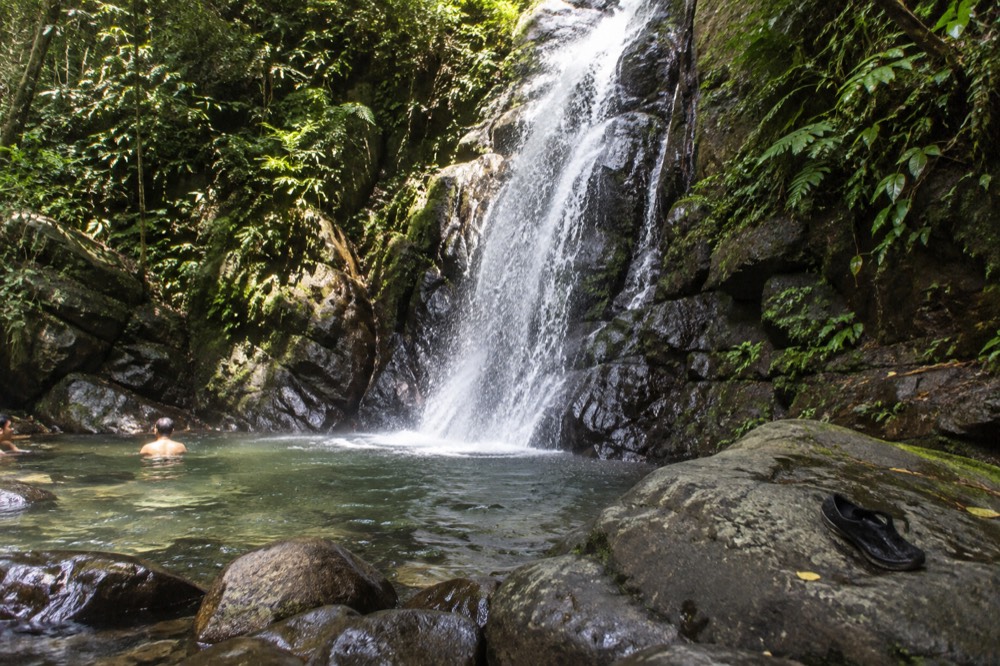
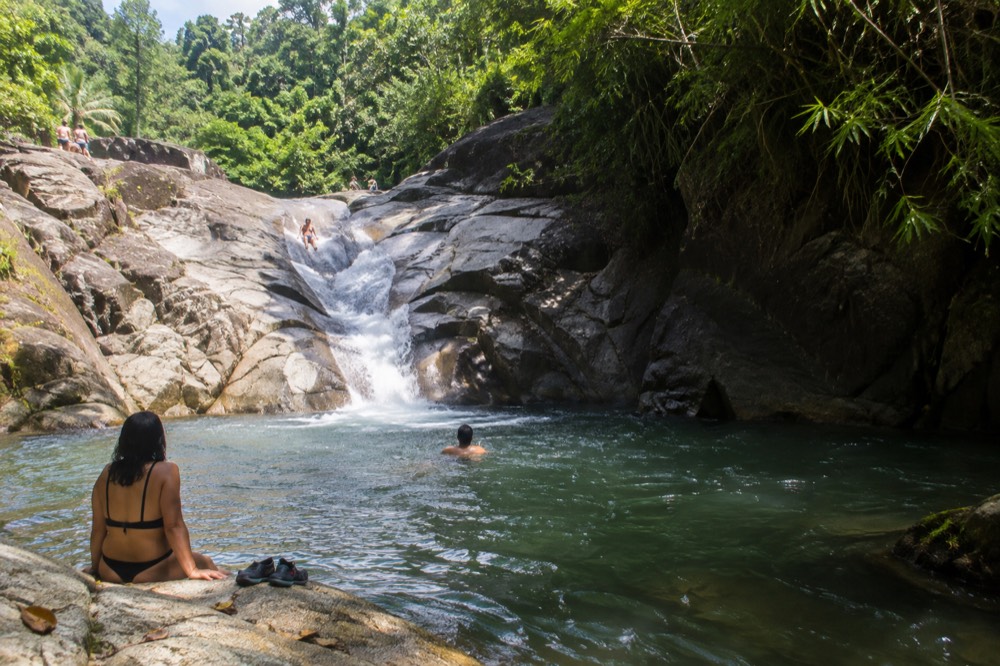
The river experiences are the summer draw. The Forest Service lists swimming among the opportunities at Juan Diego Falls, the Angelito Trail and Las Damas Pool on the Río Mameyes, Puente Roto, Quebrada Grande, Quebrada Sonadora, the Río Espíritu Santo Observation Point and the Río Sabana Recreation Area. Each of those carries the standard flash-flood warning, and the honest summer habit is to swim in the morning and be off the water when the clouds build.
Summer is also when the waterslide and beach-combo tours hit their stride. The Half-Day Yunque Rainforest Waterslide and Rope Swing tour, 4 hours from $25 with free cancellation, is a self-drive meet-the-guide format, which in summer means you control your own timing. The 7-Hour Small-Group Waterslide Tour, rated 4.9 across 16,584 reviews from $45, is the full-day version with transport. One structural point we make plainly on this site: the natural waterslides above Luquillo sit on private land outside the national forest, with no Forest Service oversight, so a tour that includes them is selling something beyond the federal boundary. Our guide to Luquillo waterslide tours covers what that means for what you are buying.
For a summer date, that half-day slides-and-rope-swing departure is the value pick on the roster: from $25, free cancellation, and a meet-the-guide format that pairs well with a morning swim and an afternoon back at the beach.
What Should You Book In Advance For An El Yunque Trip?
Book your guided tour and your El Portal tickets in advance, and nothing else, because corridor entry itself requires no reservation and no fee. El Portal tickets go on sale 30 days ahead at 9 a.m. ET, and popular tour departures sell out first on cruise days, holiday weeks and weekends from mid-December through April.
Start with what does not need booking. Entrance to the PR-191 recreational corridor is free and no reservation is required, and all four forest corridors, PR-191 North, PR-191 South, PR-988 and PR-186, are published as not requiring one. The old timed-entry reservation system no longer exists. Any page still telling you to buy a corridor reservation on a booking site is out of date.
El Portal is the exception, and only if you want it. Tickets are available 30 days in advance at 9 a.m. ET, cancellations can be made up to 24 hours ahead minus a $2 processing fee, and a ticket is good from 8 a.m. to 4 p.m. on the selected date with come-and-go access. If a proposed La Mina Recreation Area fee is what brought you here, note that it is proposed only, with no decision published after the comment period closed in August 2026. La Mina is free today.
Tours are the real advance-booking question, and the answer depends on your date. On a midweek shoulder-season day, same-week booking often works. On a Saturday in March with four ships in port, the small-group departures are gone days ahead. The pattern holds across the roster, from the 8-hour waterfall hike at $72 to the 12-hour bio bay combos from $183.98, and it is why we suggest locking a free-cancellation slot early and adjusting later rather than shopping on the day.
| What to book | How far ahead | Why |
|---|---|---|
| Guided tour with transport | 1 to 4 weeks, more in peak | Small groups fill first on cruise and weekend days |
| El Portal tickets | Up to 30 days, on sale 9 a.m. ET | Only fee site in the forest, $8 adults |
| Hotel near the forest | 1 to 3 months in winter | The Wyndham Grand Rio Mar reopened in February 2026 after a renovation |
| Corridor entry | Never | Free, no reservation exists |
Common Questions About The Best Time To Visit El Yunque
What is the best time to visit El Yunque?
Midweek in the shoulder months, mid-April through early June or late September through mid-December, when cruise traffic drops and tour slots stay open. The forest itself is open daily 8:00 a.m. to 5:00 p.m. year round, so the season changes crowds and rain, not access.
Is El Yunque crowded in winter?
Yes. Mid-December through April is the peak, driven by the cruise season and holiday weeks. San Juan recorded over 1.36 million cruise passengers in the 2025-2026 winter season, and many spend a shore day in the forest. Go early and midweek to blunt it.
Does it rain at El Yunque all year?
Yes. Annual rainfall ranges from about 96 inches at lower elevations to over 157 inches near the peak, and there is no true dry season. April and May are the months when flash floods are most frequent, but heavy rain is possible in any month.
Is hurricane season too risky for El Yunque?
Not necessarily. June through November is the quietest and often cheapest time to visit, with real storm risk concentrated in September. Book free-cancellation tours, watch the forecast, and be flexible on your river time.
Do I need a reservation for El Yunque?
No. Entrance to the PR-191 recreational corridor is free and no reservation is required. The only bookable item inside the forest is El Portal, the visitor center, at $8 for visitors 16 and over, with tickets on sale 30 days ahead.
What time of day is best at El Yunque?
Morning. The corridor opens at 8:00 a.m., parking fills first, and afternoon clouds often hide the tower views. The Forest Service asks visitors to begin exiting by 4:45 p.m., so the usable day is shorter than the posted hours suggest.
Whichever window you choose, the same three decisions do the heavy lifting: a date off the cruise peak, a morning start, and a permitted tour that solves transport and parking. El Yunque National Forest Tours keeps the full roster with live pricing so you can match a departure to the date you already have.