Can You Just Go To El Yunque Without A Tour?
Yes, you can explore El Yunque on your own with no entry fee or reservation, but limited parking, ticketing, road conditions, and trail closures make a self-drive trip more complicated than it looks. This guide lays out the real costs and logistics so you can decide.
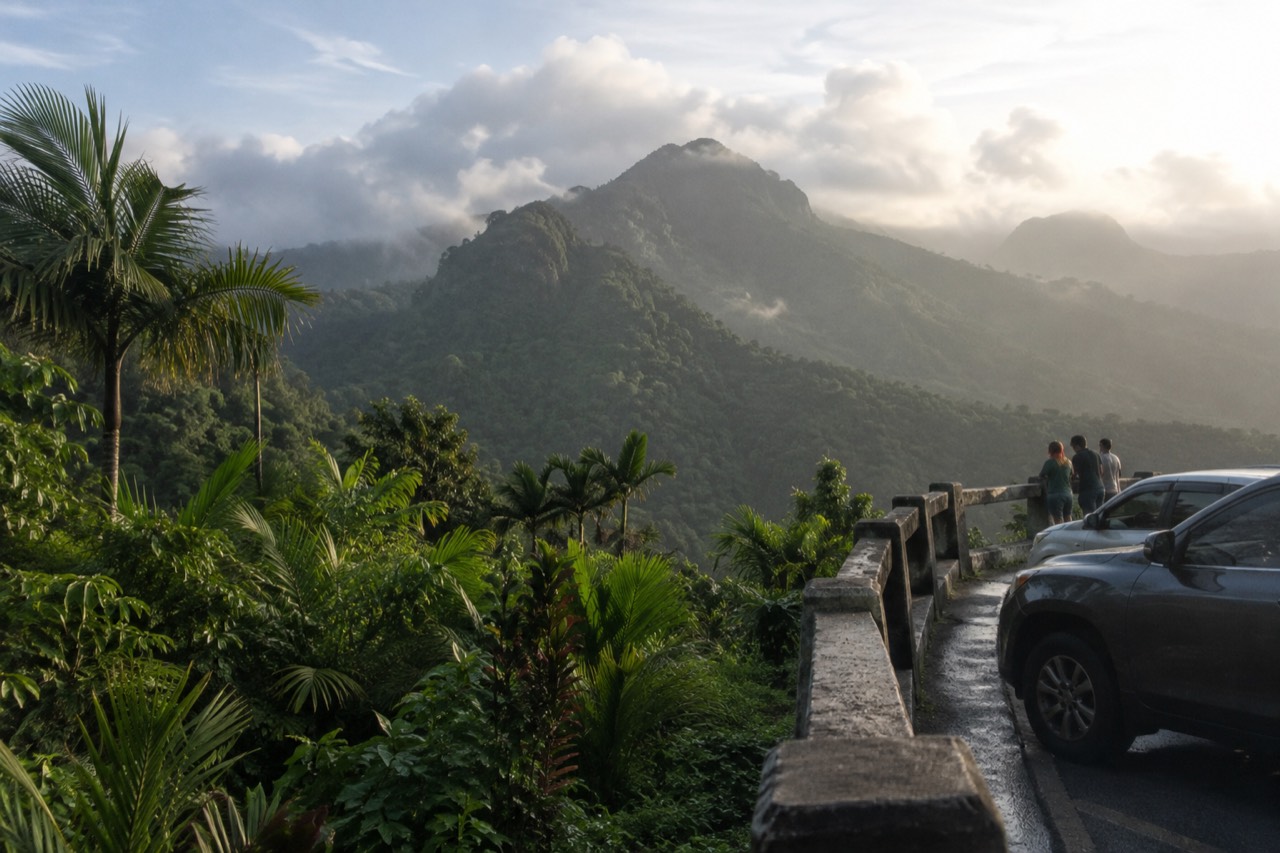
Can You Just Go To El Yunque Without A Tour?
El Yunque National Forest does not require a reservation to enter its main recreational corridor on PR-191 North in Río Grande. The entrance is free, no timed-entry permit system currently exists, and the Forest Service's own FAQ states that a reservation isn't needed for the corridor today. That reality surprises many first-time visitors, because a great deal of older guide content still tells people to book a vehicle reservation online. The system that once operated through recreation.gov is gone, and a live check of the site returns no bookable entry product for the corridor.
Still, being free to enter is not the same as an effortless self‑drive trip. The Forest Service manages visitor capacity through parking, not through a gate fee, and the rules around where you can park and how long you can stay are enforced. Rideshare apps cannot legally pick you up inside the forest, and several of the most‑photographed swimming holes are either closed or have never permitted swimming. Whether you should visit without a tour, in other words, depends less on the entry policy and more on how much you're willing to plan around parking, road conditions, and current trail closures.
Can You Just Go To El Yunque Without A Tour?
Yes, you can visit El Yunque entirely on your own. There is no entry fee for the PR-191 North corridor, no vehicle reservation, and no requirement to book a guided tour. However, parking is limited, strictly enforced, and rideshare pick‑ups are not permitted inside the forest. Several popular trails and waterfalls remain closed, and a self‑drive day takes more logistical planning than a quick glance at a map suggests.
The Forest Service current conditions page says plainly that entrance to the recreational corridor on PR-191 North is free and that no reservations are required. Operating hours are 8:00 a.m. to 5:00 p.m., and the page stresses that visitor capacity is being managed because of parking limitations and ongoing construction work throughout the forest. That construction is real: the La Coca Entrance Station Project, which included a one‑day closure for repaving in mid‑2025, is part of a broader effort to improve the road and visitor facilities. Parking is permitted only in designated areas, and several specific sites post their own time limits. Yokahú Tower, for example, enforces a 30‑minute maximum, as does the Juan Diego Falls parking area. Violators are ticketed.
The same official source also warns that the recreational corridor and El Portal visitor center are not authorized pick‑up points for rideshare apps, and visitors caught without a ride have been forced to walk long distances to reach a valid pick‑up spot. That note alone changes the self‑drive equation, especially for someone coming from San Juan who might plan to take a rideshare to the forest and then arrange another one back. The Forest Service urges visitors to use a private or rental car, a permitted taxi, or an authorized tour operator instead. Not every taxi holds a forest permit, so the agency tells people to ask before hiring one.
What does an authorized tour provide that a self‑driver cannot replicate? A permitted vehicle that is allowed to drop off and pick up inside the corridor, a guide who knows which trails are open on the day, and relief from the stress of finding a designated parking spot during the busier morning hours. There is no separate reservation channel for commercial tours, because no corridor reservation exists at all, so a tour is not buying you past a queue: it's buying a legal ride and the knowledge of someone who works the forest regularly. This is the honest distinction the site draws between going solo and booking a guided day, and it's worth keeping in mind while weighing the costs below.
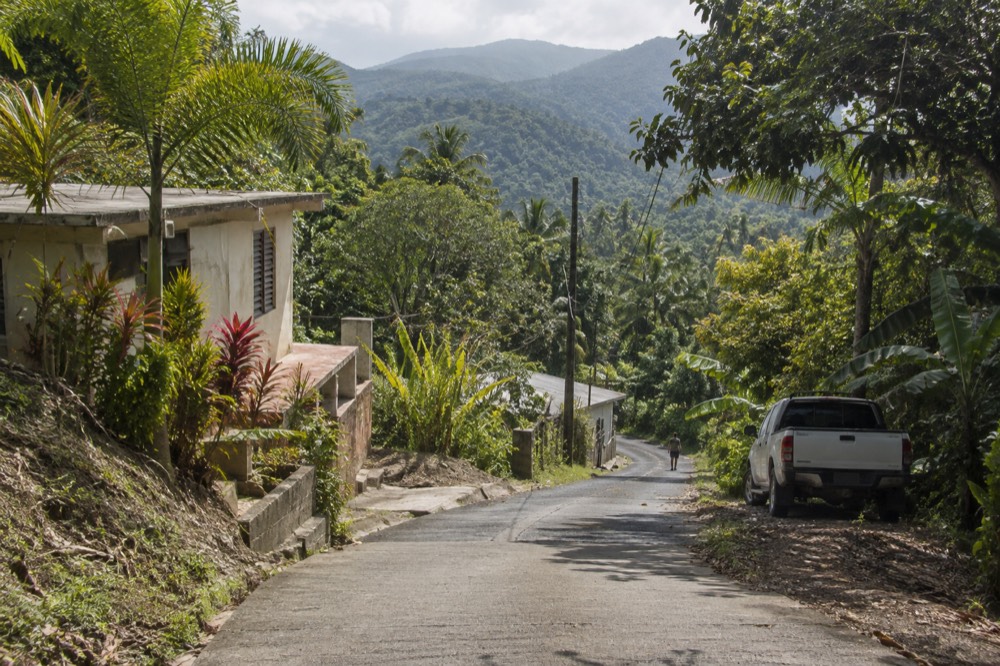
What Does A Self‑Drive Visit To El Yunque Actually Cost?
A self‑drive day spends nothing on entry, but a visitor still faces the cost of a rental car or ride to the forest, the possible $8 El Portal entry fee, and whatever they choose to spend on food and parking at Luquillo Beach. A tour's price, often starting at $25 per person for a self‑drive meeting point, wraps transport, guide knowledge, and access to spots on an operator's permit into one figure.
Breaking the numbers down helps. The only on‑site fee inside the forest today is at El Portal de El Yunque Rainforest Center: $8 for adults 16 and over, free under 15, and $4 with an interagency pass. The corridor itself is free, as are all the open trails and roadside pull‑offs like La Coca Falls. There is no camping fee because camping is not available. Parking at the designated lots costs nothing, but the risk is not getting a spot during peak hours and having to circle or leave.
A rental car for the day from San Juan can run anywhere from $40 to $80, depending on the season and the car size, plus gas. A permitted taxi from San Juan is an option, but the fare is negotiated and not every driver holds a forest permit. For a visitor staying in Luquillo or Río Grande, the drive is short and the car cost might be lower, but the same parking pinch applies. For detailed route options and what each approach road demands of a driver, see our guide to getting to El Yunque from San Juan.
| Expense | Self‑drive estimate | Guided tour (typical) |
|---|---|---|
| Entry fee | $0 (corridor) / $8 (El Portal) | Usually included |
| Transport from San Juan | $40–$80 (rental car + gas) | Hotel pickup / meeting-point |
| Parking | $0 (designated areas) | Handled by operator |
| Guide knowledge | Self‑guided | Included |
| Swimming spots access | Free if open | Operator‑selected |
| Per‑person cost | $40–$80+ (car split) | $25 and up |
Figures are planning ranges, not operator promises; always check the live listing for current pricing. The roster on this site lists seven self‑drive‑meeting‑guide tours between $25 and $40 per person, most in the four‑hour range, so the per‑person price can undercut a rental car split two ways. For a solo traveller, a meeting‑point tour is often the cheaper option once you factor in the car cost.
The four‑hour waterslides and waterfalls tour that meets at a designated point in Luquillo is a common entry ticket to the experience, because it bundles the rope swing, waterslides, and swimming stops with a guide who knows the day's conditions. The roster shows it has a 4.8 rating across 2,496 reviews and starts at $25, and most versions include free cancellation. That is not a queue‑skip: there is no queue to skip, but it is a reliable way to put the logistics in someone else's hands.
What Are The Parking Rules And Road Conditions?
Parking is the single largest bottleneck for a self‑drive day. Designated lots are free but limited, and individual sites enforce short time limits with ticketing. Road conditions vary by corridor, and the official Forest Service advice on the El Toro Scenic Byway is blunt: "Poor Road Conditions. Drive Carefully."
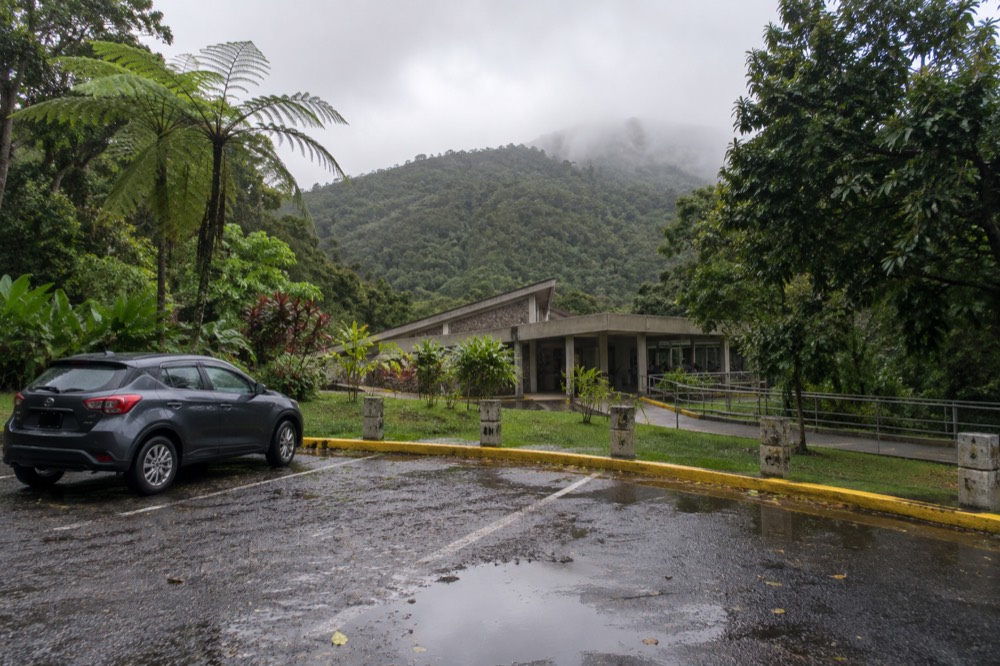
The Forest Service's current conditions page frames parking as the tool that manages visitor numbers, not a reservation. "Parking is permitted only in designated areas" is the overarching rule, and several recreation sites spell out their own restrictions. La Coca Falls, now sporting a new welcome station and improved parking after the La Coca Entrance Station Project, posts a warning that violators will be ticketed. Yokahú Tower and Juan Diego Falls both hold a 30‑minute maximum, which is enough to climb the tower or snap a photo but not enough for a leisurely picnic. Overstaying risks a citation.
The roads themselves demand attention. The PR‑191 North corridor is the most developed, with a paved road and clear signage, but it climbs through mountain terrain and can get congested on weekends. The Luquillo entrance, Road 988, carries the Forest Service note "Construction works on the road. Drive Carefully." That corridor connects directly to PR‑191 above El Portal, so it serves as a back‑door alternative, but the surface may be rough. The El Toro Scenic Byway on Road 186 is more remote and carries a permanent poor‑road warning from the Forest Service. Naguabo's 191 South entrance is accessible from the south side only, because a major landslide from the 1970s severed the north‑south connection, and the speed limit there is 20 mph on winding roads.
These conditions are not temporary; they are baked into the daily reality of a self‑drive visit. A rental car that handles steep grades and occasional potholes is more important than a high‑clearance vehicle, but a low‑slung city sedan will struggle on Road 988 or 186. The Forest Service notes that the forest is wet and mossy, and that advice on footwear and traction applies just as much to the roads on a rainy afternoon.
Road conditions and construction alerts change throughout the year, so checking the Forest Service alerts page before driving is the only way to know what you'll face on the day.
Which Waterfalls And Swimming Spots Are Open Without A Guide?
Several Forest Service‑listed river pools and waterfalls permit wading or swimming without a guide, but the two most‑photographed attractions, La Mina Falls and Baño Grande, are either closed or have never allowed swimming. A self‑guided swimmer can visit Juan Diego Falls, Angelito Trail's Río Mameyes pools, Puente Roto, Quebrada Grande, Quebrada Sonadora, Río Espíritu Santo, and Río Sabana, checking the status page and heeding flood warnings.
La Mina Falls, the waterfall that appears on nearly every tour marketing piece, sits at the end of two closed trails: La Mina Trail and Big Tree Trail. The Forest Service trail‑status alert lists both as closed for construction. The FAQ answer to "Are La Mina trail/falls open yet?" says the falls remain closed while recovery from Hurricanes Irma and María continues. There is no set reopening date, and the forest's official line is "we continue to recover." A visitor driving up PR‑191 will not reach La Mina Falls without entering a closed area.
Baño Grande is open as a scenic overlook, but swimming has been prohibited there since 1968. The Forest Service page for the site says plainly "No swimming permitted." The pool is 18 feet deep, formed by a stone dam built by the Civilian Conservation Corps in the 1930s, but it is a photo stop, not a bathing spot. Baño de Oro, the former swimming hole that reopened after eight years of hurricane repairs, is now a registered National Historic Property and is promoted as a photo opportunity, not a place to get in the water.
The functioning swimming options are spread across the forest's other corridors. Angelito Trail on Road 988 drops to the Río Mameyes, where Las Damas Pool and other spots are listed for swimming on the official trail page. The USGS maintains a live stream gauge for the Río Mameyes near Sabana, so a visitor can check the discharge before wading in. Juan Diego Falls on PR‑191 at kilometer 9.6 offers a short path to a natural pool with a waterfall, and swimming is listed as an activity, but parking is limited to 30 minutes. Puente Roto Recreation Area on Road 988, Quebrada Grande Recreation Area in Río Grande, and Quebrada Sonadora all list swimming as a recreation opportunity. Río Espíritu Santo Observation Point and Río Sabana Recreation Area near Naguabo round out the list, each carrying the standard flash‑flood warning. For a full breakdown of every swimming hole and its current status, see our guide to swimming at El Yunque.
| Swimming site | Location | FS status | Note |
|---|---|---|---|
| Juan Diego Falls pool | PR-191 km 9.6 | Open | 30‑min parking limit; wading permitted |
| Angelito Trail / Río Mameyes | Road 988 km 3.6 | Open | Easy trail to Las Damas Pool; USGS gauge live |
| Puente Roto Recreation Area | Road 988 | Open | Road under construction; drive carefully |
| Quebrada Grande Recreation Area | Río Grande side | Open | Poor road conditions posted |
| Quebrada Sonadora | Forest interior | Open | Standard flash‑flood advisory |
| Río Espíritu Santo Observation Point | PR-186 corridor | Open | National Weather Service gauge available |
| Río Sabana Recreation Area | Naguabo side | Open | Remote; check access before driving |
| La Mina Falls | PR-191 km 12.2 | Closed | Both approach trails closed |
| Baño Grande | PR-191 km 11.9 | Open, no swimming | Scenic spot only since 1968 |
| Baño de Oro | PR-191 km 12.25 | Open, no swimming | Former swimming hole, photo spot |
The list changes. Trail‑status alerts are the daily authority, and the official forest alerts page should be read before any trip that plans to get in the water. The flash‑flood warning repeated on every trail page is not boilerplate: water can rise 30 feet in less than a minute during a surge, and rain falling upstream can flood a river even where the sky is clear. A self‑guided swimmer needs to know that as firmly as any guide would.
How Practical Is A Self‑Drive Trip From San Juan Or A Cruise Ship?
A self‑drive from San Juan is practical with a rental car, but the trip takes long enough that an afternoon return to meet a cruise schedule creates pressure. Cruise passenger volume through San Juan is hitting record levels, and the pier investment underway aims to push numbers past two million a year. For a cruise passenger without a rental car, a permitted tour is the only way to enter the forest without risking a rideshare dead end.
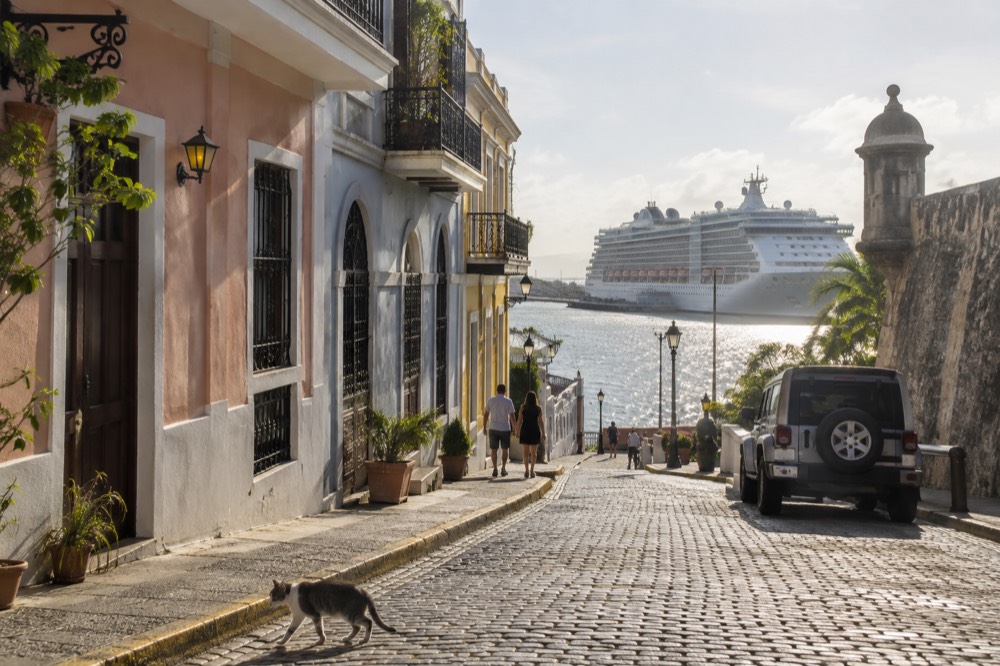
Puerto Rico recorded 1,360,937 cruise passengers and 515 ship calls during the November 2025 to April 2026 winter season, a 43 percent jump over the season before. The Puerto Rico Fiscal Agency and Financial Advisory Authority notes that roughly $45 million is being invested across the two Panamericano cruise piers, with completion projected for late 2026 so the improvements are ready for the next winter season. Governor Jenniffer Gonzalez Colon projects San Juan passenger volume climbing from 1.8 million in 2025 to more than two million, both record figures. In a normal week, thousands of passengers step off a ship in Old San Juan with a single day to see the rainforest and be back before the gangway pulls up.
The drive from San Juan to the PR‑191 entrance in Río Grande can vary with traffic; tour listings on this site give a rough sense of the timing, with some describing a drive of about an hour, but rush‑hour congestion around Río Piedras and Carolina can stretch that. A cruise passenger who rents a car must factor in the rental shuttle to the pier, the return drive, and the fact that the recreational corridor closes at 5:00 p.m. and visitors are advised to start exiting 15 minutes before. A morning ship docking at 8:00 a.m. leaves a workable window, but an early afternoon arrival does not. The time math for each approach route and activity mix is laid out in our guide to how many hours you need in El Yunque.
Then there is the rideshare problem. The Forest Service alert on unauthorized transport flatly states that El Yunque's recreational corridor and El Portal are not pick‑up points for rideshare apps, and that the apps will not allow a driver to accept a fare at those locations. A passenger who takes a rideshare to the forest may be able to get dropped off near El Portal, but will have no way to call a ride back except to walk to a point outside the corridor where the app works. That is not a hypothetical risk; the alert notes that visitors have been forced to walk long distances to reach a valid pick‑up point.
A permitted tour solves the problem. It also avoids the scenario of a cruise passenger standing in the parking area of La Coca Falls at 3:45 p.m., aware that the 30‑minute limit at the next stop means they'll need to skip it outright. The tours on this site with hotel or pier‑area pickup often run five to seven hours and are built around the corridor closing time.
The half‑day waterslide and rope swing tour on this roster, for example, costs from $25 as a self‑drive meeting point, but the same operator's pickup version starts at a higher price and moves the logistics off the visitor's plate. That is the essential trade‑off: pay more for transport, or handle the car and hope the parking spots are there.
Is A Guided Tour Still Worth The Money?
For many visitors, yes, because the value of a guided tour is not about skipping a reservation line, because there is no line. It's about securing a permitted vehicle that can pick you up legally, a guide who knows which trails are open, and a day that isn't stolen by the parking crush or a wrong turn onto a closed road.
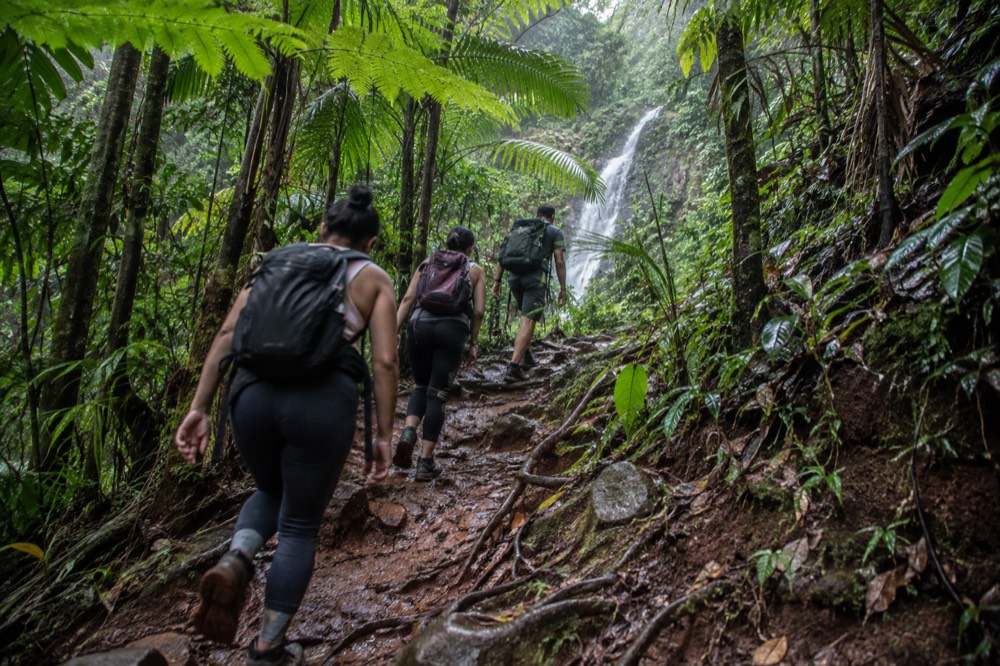
The Forest Service publishes a directory of authorized and permitted tour operators that lists 26 companies holding a permit to guide in the forest. The agency explicitly tells visitors to ask whether a taxi driver holds a forest permit before hiring one, because not every cab that will take you to Río Grande is allowed to operate inside the corridor. An authorized operator's vehicle is a known quantity: it can legally drop off and pick up at the trailheads and recreation sites, and the guide is accountable to the terms of the permit.
A tour guide's local knowledge matters more here than at a park where every trail is open and signed. The trail‑status alert that keeps La Mina Trail and Big Tree Trail closed is not something a self‑driver sees before pulling into the Palo Colorado parking area. A guide who was on the forest floor yesterday knows what is closed and what is safe, and can pivot to an open swimming hole rather than waste the morning on a trail that is not accessible.
The tour does not grant special entry or bypass any system; the corridor is free to everyone. The tour buys a day where the parking, the driving, the road hazard assessment, and the decision of where to go are handled by someone who is paid to handle them. For a visitor with one day in Puerto Rico, that can be worth more than the per‑person price suggests. The honest answer from El Yunque National Forest Tours is that a self‑drive is entirely possible, but a tour earns its price the moment parking runs out or a trail you planned to hike turns out to be closed.
Common Questions About Visiting El Yunque Without A Tour
Can you go to El Yunque for free?
Yes. Entrance to the PR‑191 North recreational corridor is free, and no reservation is required. El Portal visitor center charges $8 for adults, free under 15, but the rest of the forest's roads, trails, and overlooks are open without a fee.
Do you need a reservation to visit El Yunque?
No. The timed‑entry reservation system that once operated on recreation.gov no longer exists. Visitor capacity is managed through parking limitations, not through a gate reservation.
Can you swim at La Mina Falls?
No. Both trails that lead to La Mina Falls, La Mina Trail and Big Tree Trail, are closed for construction, and the Forest Service FAQ says the falls remain closed while recovery from hurricane damage continues. There is no set reopening date.
Is it safe to drive your own car to El Yunque?
Yes, with a rental car or private vehicle, on the main PR‑191 corridor. Road 988 and Road 186 have road‑condition warnings, and the Naguabo side is accessible only from the south. Designated parking spots are free but limited, and time limits are enforced with tickets.
What if I don't have a car in San Juan?
Rideshare apps cannot pick you up inside the forest, so a self‑guided visit without a rental car is not practical. A permitted taxi or a guided tour that includes transport is the workable alternative.
Can you visit Las Paylas waterslides without a tour?
Las Paylas sits on private land in Luquillo, outside the Forest Service boundary. Access is arranged with the landowners on the spot, and there is no official oversight. The forest does not manage or list the site.