What Is The Best Waterfall In El Yunque?
Comparing El Yunque's waterfalls, La Coca, Juan Diego, and the river pools, and which tours actually get you to the best water for your money.
What Is The Best Waterfall In El Yunque?
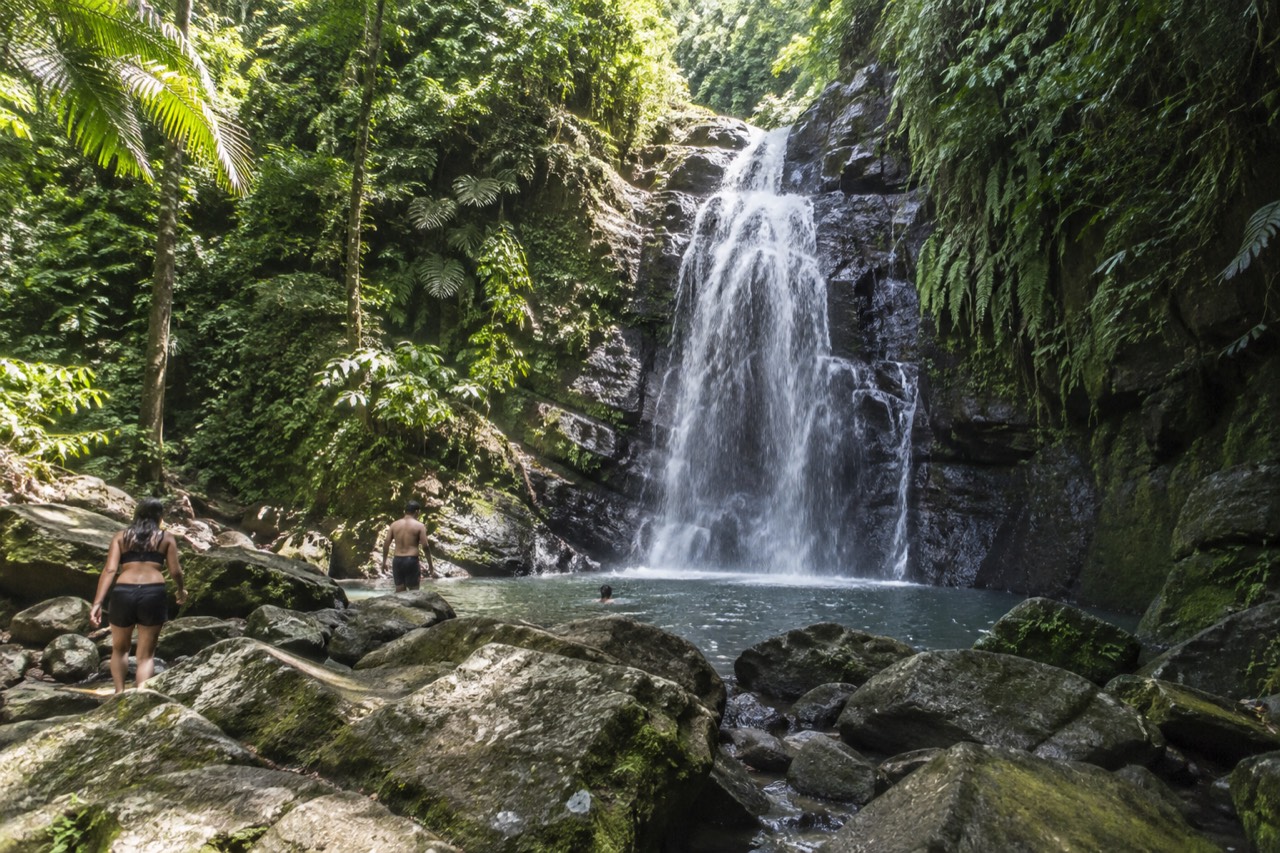
The best waterfall in El Yunque for most visitors is Juan Diego Falls, a short path off PR-191 to a natural pool you can actually wade into, with a 30-minute parking limit. La Coca Falls is the most dramatic single drop at 85 feet but is viewing only. La Mina Falls, the historic favourite, is reachable only on foot and its trails carry closure alerts, so check the official status before planning around it.
That ranking surprises people who arrived expecting La Mina to top the list. For years it did. The trail to La Mina Falls, and the Big Tree Trail that also ends there, are the two classic approaches, and both appear on the Forest Service's trail status alert as closed, with the FAQ noting the falls remain closed for construction following hurricane damage. Trail and site closures in El Yunque change with construction and storm recovery, so treat any status you read anywhere, including here, as a snapshot and confirm it on the Forest Service alerts page before you build a day around it.
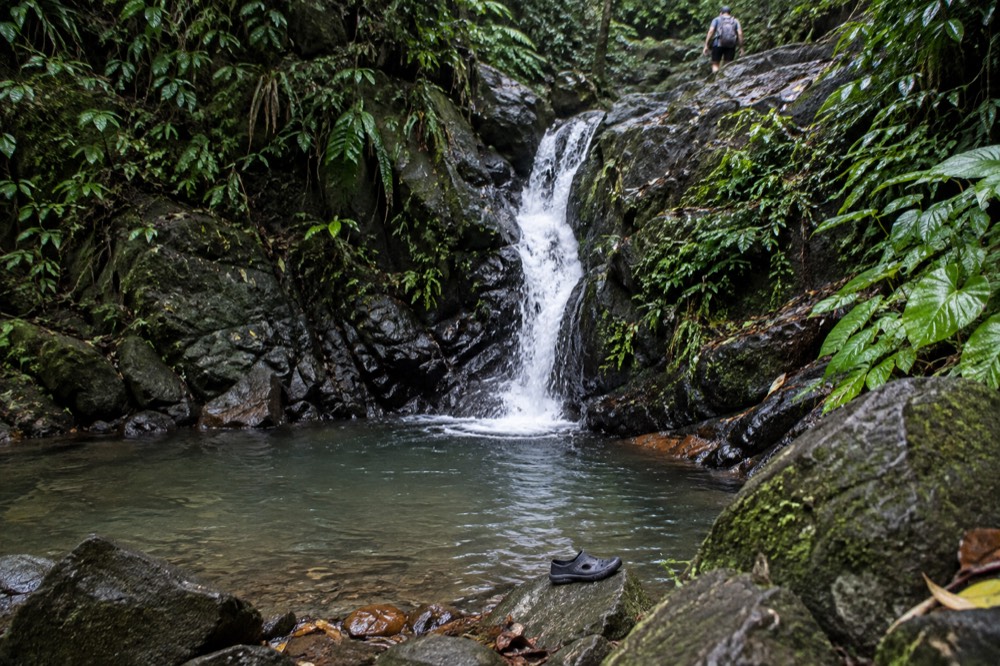
What makes the question worth answering carefully is that the waterfalls are genuinely different products. La Coca is a drive-by: you park in a designated area, walk to the railing, and look. Juan Diego is a wade-in: the Forest Service lists swimming among its water activities there, alongside a 30-minute maximum parking time because the site is small. The river pools on the Luquillo side, reached by the Angelito Trail down to the Río Mameyes, are a third thing entirely, less a waterfall than a swimming hole with water moving through it. Picking a favourite means picking which of those experiences you actually want, and that choice decides which tour is worth paying for, because tours differ on exactly this stop.
This is also why the question matters more here than at most destinations. A sightseeing tour that stops at La Coca Falls and Yokahú Tower is a perfectly good product, but it is a photo tour, not a water tour. A river-and-slides tour gets you wet but may spend its time outside the national forest entirely, on private land near Luquillo. Knowing which waterfall you want is how you tell those two products apart before you book.
Which El Yunque Waterfall Can You Actually Swim At?
Juan Diego Falls is the one waterfall inside the recreational corridor where the Forest Service itself lists swimming, a short path to a natural pool along Juan Diego Creek at PR-191 km 9.6. The Angelito Trail pools on the Río Mameyes are the other listed swimming spots, on Road 988 near Luquillo. La Coca Falls is viewing only, and Baño Grande has been posted no swimming since 1968.
Start with Juan Diego, because it is the answer most people are actually looking for. The Forest Service describes it as a short path to a natural pool with a waterfall you can wade into, at an elevation of 483 meters, and caps parking at 30 minutes due to limited capacity. That cap tells you something real about the experience: this is an intimate stop, not an all-day base. You get in the water, you get out, you move on. It sits at kilometre 9.6 on PR-191, which places it between La Coca Falls and the upper corridor attractions, so it slots naturally into a north-side driving day.
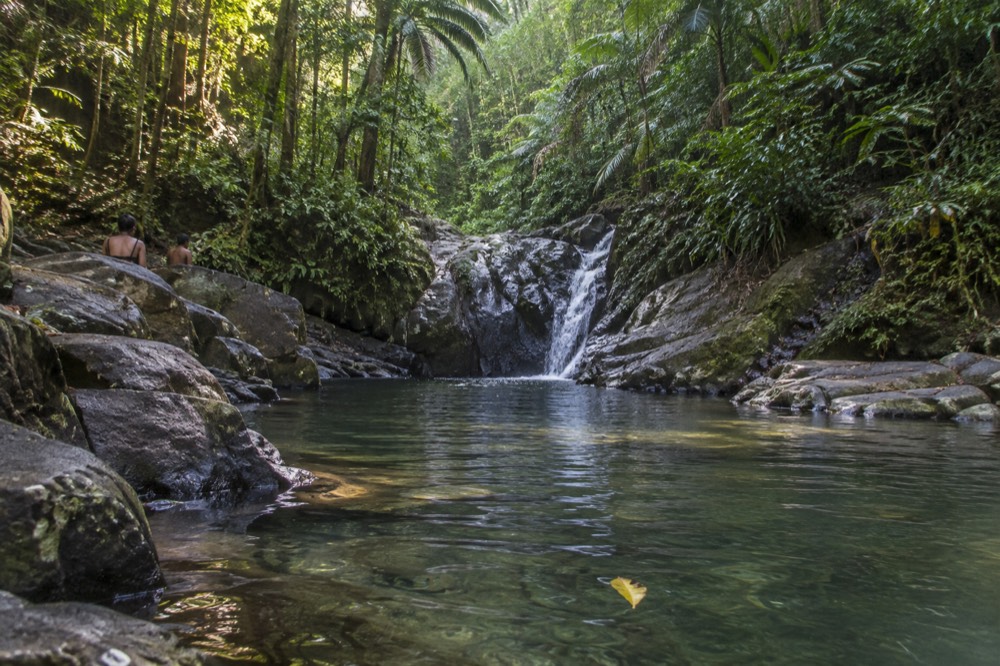
The Angelito Trail option is a different mood. It is an easy 0.4-kilometre walk down through Tabonuco forest to the federally designated Wild and Scenic Río Mameyes, where the Forest Service points families with younger children toward Las Damas Pool and other favourite swimming spots. The trail carries the standard flash-flood warning that appears across El Yunque's river sites, and that warning is not boilerplate. Flash floods can occur throughout the year and are more frequent in the rainy months of April and May, and during a flood surge the water can reach heights of 30 feet or more. Before getting in any river here, look upstream, not just at the sky.
There is a practical check available too. The Río Mameyes has a live USGS stream gauge, site 50065500 near Sabana, publishing real-time discharge and gage height, so you can look at the river's actual behaviour before you commit to a swim. A guide will be watching the same signals, which is one quiet argument for taking one.
Two names to cross off the swim list, because a lot of third-party copy gets them wrong. Baño Grande, the handsome stone-dammed pool at km 11.9, was closed to swimmers in 1968 over safety concerns and is posted "No swimming permitted"; it is a scenic spot now, and an impressive piece of 1930s Civilian Conservation Corps masonry. Baño de Oro is a former swimming hole, restored and open, but it is a photo opportunity today. If a tour listing promises swimming at either, that is the listing's claim, not the Forest Service's.
Is La Mina Falls Still The Waterfall To See?
La Mina Falls is the most famous waterfall in El Yunque, a 35-foot drop into a pool, but both trails that reach it, La Mina Trail and Big Tree Trail, appear as closed on the Forest Service's trail status alert, and the FAQ says the falls remain closed for construction. Whether that changes, and when, is exactly the kind of thing the alerts page exists to answer, so check it rather than any fixed claim.
The history explains the fame. La Mina Trail is 0.7 miles with a 492-foot elevation change and a difficulty the Forest Service calls challenging, winding concrete stairs and all, starting at the Palo Colorado Information Center at km 12.2. Big Tree Trail is the gentler 0.9-mile asphalt approach from km 10.4. Both end at the falls, where the water drops over 35 feet into a pool the old trail pages described as swimmable, with water temperatures of 60 to 65 degrees. That pool, and the photos of it, sold El Yunque to a couple of decades of visitors.
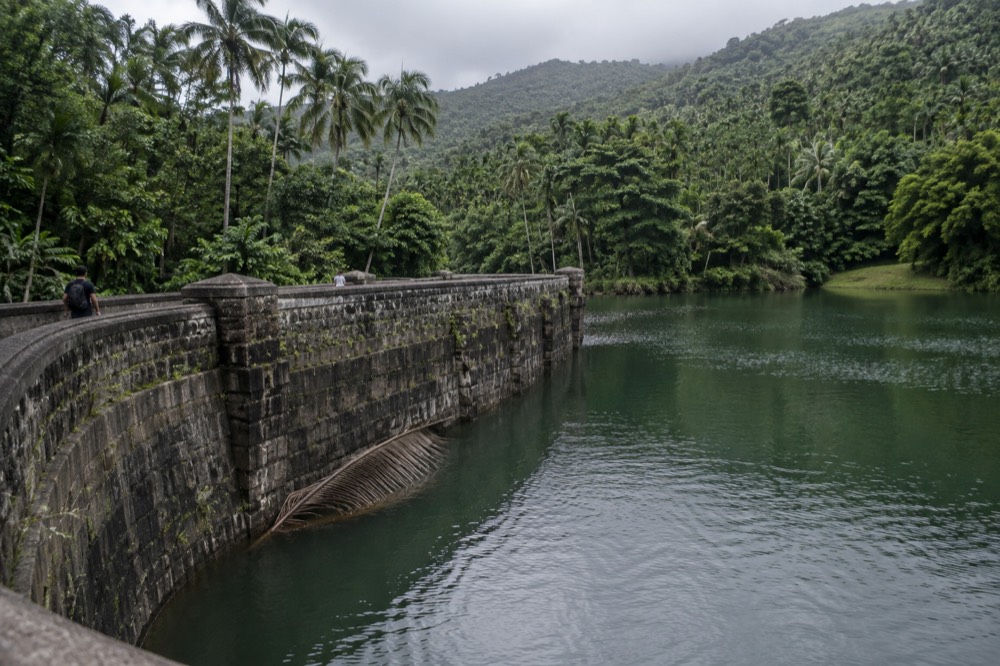
What a visitor in the forest today can still see in that area is the built heritage around the closure. The picnic shelters near the La Mina trailhead were built of native stone by the Civilian Conservation Corps in the 1930s, and Baño Grande sits just across from Palo Colorado. The corridor itself, Road 191 North, was largely constructed in the 1940s by the same corps. So the upper corridor remains worth the drive even with the falls trail shut: you are moving through one of the best-preserved New Deal landscapes in Puerto Rico, with a stone tower on Mount Britton from 1937-38 still standing at 3,087 feet.
The planning consequence is simple. If a tour's whole waterfall pitch rests on La Mina, read the current itinerary carefully. Some listings still describe the falls in their marketing while the day itself runs on La Coca, Yokahú Tower and river stops, which is a fine day, just not the one the headline implies. Our guide to La Mina Falls and its trail status walks through exactly what is open on each approach and how to verify it on the day.
What About The Waterfalls Outside The National Forest?
Several of the most popular water tours sold under the El Yunque name do their swimming outside the national forest. The Las Paylas natural waterslides sit on private land in Luquillo, beyond even the forest's administrative boundary, with no Forest Service management, staffing or safety oversight. Tours visiting Las Tinajas and Charco Frío likewise operate outside the federal forest.
This is the single most useful thing to know when comparing waterfall tours, and almost nobody says it plainly. The point was verified directly against the USDA Forest Service's own GIS boundary layers: a query for the Las Paylas coordinate returns zero features, while the same query for La Coca Falls returns El Yunque National Forest. Las Paylas appears on none of the Forest Service's 37 published recreation sites. Access is arranged with the landowners on the spot, through private property, and no verified figure exists for any access fee, hours or walking time, so treat any specific number you see in a listing as the operator's claim.
None of this makes those tours bad. The waterslide and river-pool trips around Luquillo are among the best-reviewed products on the roster, and sliding down wet rock into a river pool is a legitimately excellent way to spend a Puerto Rico afternoon. The point is narrower: know what you are buying. A tour that markets itself as El Yunque and spends its water time on private land outside the forest is selling a different thing from a forest corridor tour, with different oversight, different conditions and different logistics. If your heart is set on a waterfall inside the national forest system, the corridor tours are the ones that deliver it.
The distinction shows up in the roster's own stop lists, which is why they are worth reading before booking. The Small-Group El Yunque Waterfall & Waterslides tour with pickup lists Las Tinajas and Charco Frío, both outside the forest. The Slides and Beach tour lists Las Paylas explicitly, marked private land, alongside genuine forest stops like the Angelito Trail and the Río Mameyes. Some tours honestly mix both worlds in one day, which can be the best of it: forest sights in the morning, river play in the afternoon. Our Luquillo waterslides guide separates the inside-the-forest and outside-the-forest products stop by stop.
Which Tour Gets You The Best Waterfall Day?
For a waterfall-focused day inside the forest, the El Yunque Rainforest Guided Tour from San Juan is the strongest fit: about four and a half hours from $63, hotel pickup included, stopping at La Coca Falls and Yokahú Tower. For a bigger island day built around water, the Let Me Show You My Island tour adds Piñones, and for adventure, the Piñones Beach Buggy plus waterfall combo runs six hours from $207.
The guided half-day is the workhorse option. It is rated 4.8 across 124 reviews, runs four and a half hours from $63 with hotel pickup and free cancellation, and its confirmed stops are La Coca Falls and Yokahú Tower. That is the classic corridor itinerary, and it fits the reality of the forest right now: the roadside waterfall and the observation tower are the reliable anchors, with a guide who knows which trails and river spots are actually workable on the day. That last part matters more here than at most destinations, because status changes with construction and weather, and a guide checks it as part of the job.
The island-day alternative suits travellers who want the forest folded into a broader Puerto Rico experience. The Let Me Show You MY Island tour with a visit to El Yunque is rated 4.9 across 1,655 reviews, runs six to seven hours from $89 with hotel pickup, and pairs La Coca Falls and Yokahú Tower with Piñones, the coastal strip east of San Juan. You trade depth for breadth, and for a first visit that trade is often right.
Then there is the option that turns the waterfall into a supporting act. The Piñones Beach Buggy plus El Yunque Waterfall Adventure is rated a perfect 5 across 103 reviews, runs six hours from $207, and puts you behind the wheel of a buggy along the Piñones coast before the forest waterfall portion of the day. It is the priciest of the three and the most activity-forward, aimed squarely at groups who would find a sightseeing drive underwhelming.
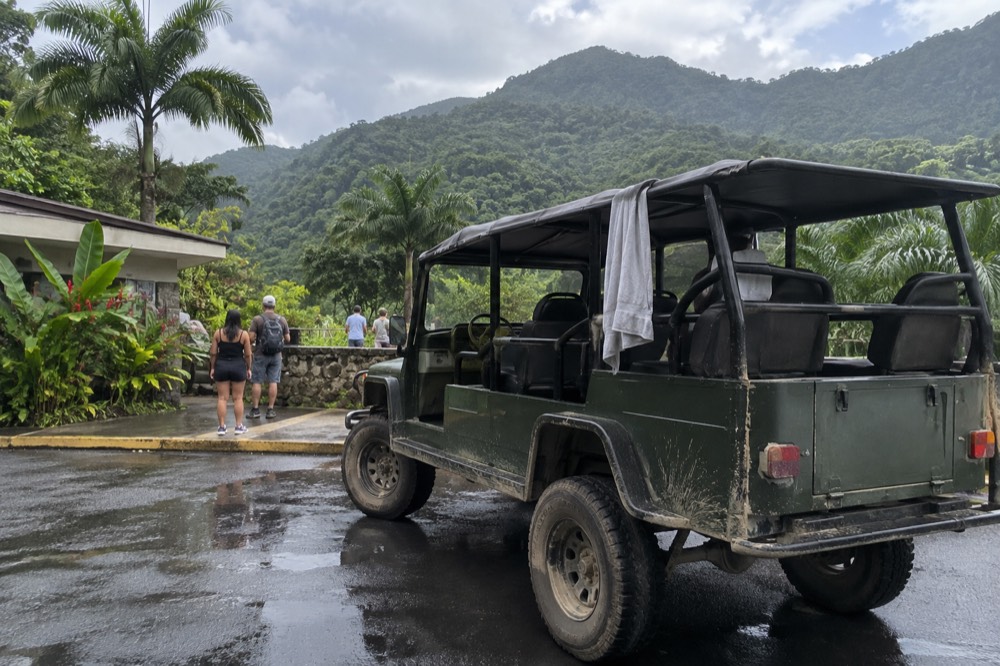
A quick comparison of what each actually delivers at the water:
| Tour | From | Length | Waterfall stop | Swimming |
|---|---|---|---|---|
| El Yunque Rainforest Guided Tour | $63 | 4.5 hours | La Coca Falls | Not on the itinerary |
| Let Me Show You MY Island | $89 | 6-7 hours | La Coca Falls | Not on the itinerary |
| Piñones Beach Buggy + Waterfall | $207 | 6 hours | Forest waterfall stop | Varies by day |
One more option for the determined waterfall hunter: the Hidden Off The Path Waterfall Hike with transport, rated 4.7 across 34 reviews, from $115 for five hours, which lists the Río Espíritu Santo among its stops. It is a smaller, quieter product for people who have already done the corridor.
How Do You Choose Based On Who Is Travelling?
Families with young children should weight the Angelito Trail pools and Juan Diego, both official swimming spots with easy access. Photographers and time-pressed travellers get the most from La Coca Falls and Yokahú Tower. Adventure groups should look at the waterslide and buggy products, accepting that the best water play sits outside the forest boundary. Cruise passengers need tours with pickup and a schedule that fits a port day.
The family case is the clearest. The Forest Service itself describes the Angelito Trail as a nice trail for families with younger children, and Juan Diego's wade-in pool is about as low-commitment as forest water gets. A tour that includes the Angelito Trail or the Río Mameyes in its confirmed stops, several on the roster do, is built for exactly this group. Bring real shoes: the Forest Service's own preparation advice leads with footwear, because it is a rainforest, it is wet and mossy, and wet surfaces on a slope are a hazard. Our what to wear and bring guide covers the full kit list.
Photographers and sightseers should simply accept what the corridor does best. La Coca Falls drops 85 feet onto a rock formation at the base, at an elevation of 1,476 feet, with a new welcome station and improved accessibility after recent construction. Yokahú Tower, a 69-foot stone tower built in the early 1960s, offers a 10-mile-plus view to the coastline and, on a clear day, the Virgin Islands. Neither involves getting wet, and both are reliably open anchor stops on nearly every corridor tour.
For adventure groups, the honest framing from earlier applies: the best sliding and rope-swing water near El Yunque sits on private land outside the forest, and the tours that reach it are selling that, not a Forest Service experience. That is fine, as long as it is what you thought you were buying. The budget note is that the self-drive meet-the-guide options, from $25 for a half-day, are the cheapest way into that water, while the buggy combo at $207 is the ceiling.
Cruise passengers face a timing constraint more than a choice constraint. Puerto Rico recorded 1,360,937 cruise passengers across 515 ship calls in the November 2025 to April 2026 season, a 43 percent jump over the season before, and the port keeps getting busier. Tours with hotel or port-area pickup and free cancellation are the safe play when your ship's schedule is the binding constraint; our El Yunque cruise excursions guide works through the timing in detail.
Whatever you choose, remember the access facts that make a tour genuinely useful here: entry to the PR-191 corridor is free with no reservation, but parking is the real constraint, rideshare apps cannot pick you up at the corridor or El Portal, and not every taxi holds a forest permit. A permitted operator with a legal drop-off solves all three, which is the honest reason to book rather than any promise of skipping a line that no longer exists. This site, El Yunque National Forest Tours, exists to keep that kind of distinction straight.
If the buggy-and-waterfall combo is the one that caught your eye, it is worth a closer look before you commit. At six hours from $207 it is the biggest spend on this shortlist, and the perfect 5 across 103 reviews suggests the people who take it are not disappointed. Free cancellation is offered on the listing, so the decision is reversible if your plans shift.
Common Questions About Waterfalls In El Yunque
What Is The Best Waterfall In El Yunque?
For most visitors, Juan Diego Falls, because it is the waterfall inside the recreational corridor where the Forest Service lists swimming, reachable by a short path with 30-minute parking. La Coca Falls is the most dramatic single drop at 85 feet but is a viewing stop only. La Mina Falls remains the most famous, but its access trails carry closure alerts, so check the Forest Service status page before planning around it.
Can you swim at any waterfall in El Yunque?
Yes, at the spots the Forest Service itself lists: the Juan Diego Falls pool on PR-191, the Angelito Trail pools on the Río Mameyes including Las Damas Pool, and the other listed river sites such as Puente Roto and Quebrada Grande. La Coca Falls is viewing only, and Baño Grande has been posted no swimming since 1968. Always check flash-flood conditions before getting in.
Is La Mina Falls open?
Trail and site closures in El Yunque change with construction and storm recovery, so no fixed answer here is safe to print. The Forest Service's trail status alert is the live authority, and it currently lists both La Mina Trail and Big Tree Trail as closed. Check the alerts page on fs.usda.gov before your visit.
Is La Coca Falls worth stopping at?
Yes, as a photo stop. The water drops 85 feet onto a rock formation at the base, at an elevation of 1,476 feet, and recent construction completed a new welcome station with improved accessibility and parking. Plan on minutes, not hours, park only in designated areas, and do not expect to swim.
Are the Luquillo waterslides part of El Yunque?
No. The Las Paylas natural waterslides sit on private land in Luquillo, outside the national forest boundary and outside even the Forest Service's administrative boundary, verified against the agency's own GIS layers. There is no Forest Service management, staffing or safety oversight there. Tours that visit it are selling an experience outside the national forest.
Which tour is best if I mainly want waterfalls?
The El Yunque Rainforest Guided Tour from San Juan is the strongest fit: about four and a half hours from $63 with hotel pickup, stopping at La Coca Falls and Yokahú Tower, rated 4.8 across 124 reviews. If you want swimming rather than viewing, pick a tour listing the Angelito Trail or the Río Mameyes among its confirmed stops.