Are El Yunque Tours Worth It?
An honest accounting of what an El Yunque tour costs, what the money actually buys, and when a self-driven day is the better choice.
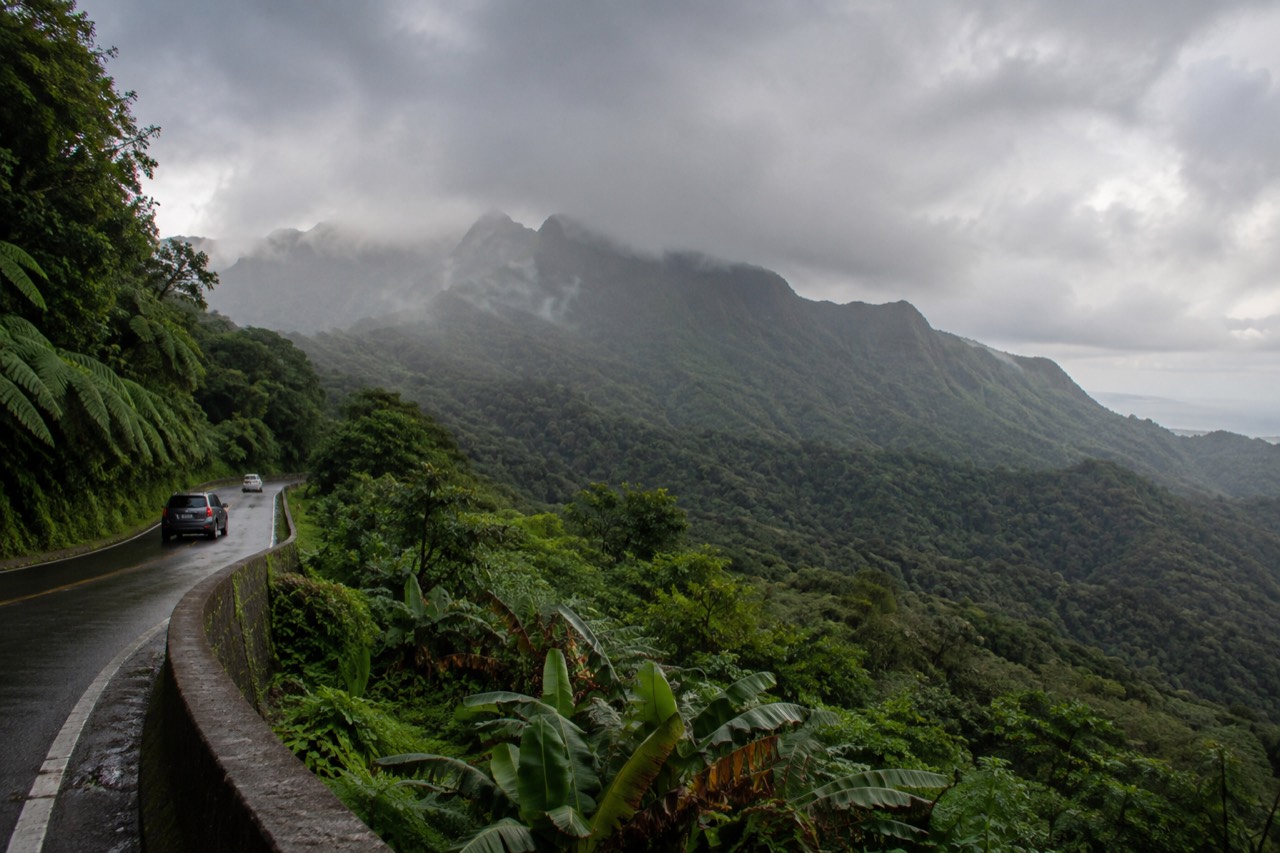
Are El Yunque Tours Worth It?
For most visitors without a rental car, yes: a tour is worth the money, because the hardest parts of an El Yunque day are transport, parking and knowing what is open, not access. Entry is free and needs no reservation, so the tour is not buying you through a gate. It is buying a permitted vehicle, a legal drop-off and a guide who knows which trails you can actually walk that day.
That framing matters more here than at almost any other destination, because a lot of travel content still gets the basics of this forest wrong. The old timed-entry reservation system on recreation.gov no longer exists, the PR-191 North recreational corridor in Río Grande is free to enter between 8:00 a.m. and 5:00 p.m., and the Forest Service manages visitor capacity through parking enforcement rather than tickets. If you have read that you need to book a reservation or that a tour "skips the line," that information is out of date. There is no line to skip.
So the honest question is not whether a tour buys you entry. It does not, because entry costs nothing. The question is whether the things a tour does provide are worth the price to you. On this site's tour roster, prices run from $25 for a meet-the-guide waterslide outing to $225 for a nine-and-a-half-hour hike-and-zipline combo, and the answer is different at each end of that range.
For a traveler staying in Old San Juan or Condado without a car, the math is straightforward. A tour with hotel pickup solves the whole transport problem in one purchase. For someone with a rental car who is comfortable reading a Forest Service alerts page, a self-driven day can be excellent and nearly free, with one exception covered below: getting out of the forest at the end.
What Does A Tour Actually Buy You In El Yunque?
A tour buys four things: a vehicle and driver permitted to operate in the forest, a legal drop-off and pick-up at the sites, someone else solving the parking problem, and current knowledge of which trails and water features are open. It does not buy entry, priority access or a reservation, because none of those things exist at El Yunque. The value is entirely in logistics and local knowledge.
The transport point deserves emphasis, because the Forest Service has stated it directly. The recreational corridor and the El Portal visitor center are not authorized pick-up or drop-off points for rideshare apps, and the agency warns that visitors relying on them can be forced to walk long distances to reach a valid pick-up point. A traveler who takes a rideshare up the mountain may find there is no rideshare back down. The same agency page advises that not every taxi driver holds a permit to operate in the forest, and urges visitors to ask before hiring any transportation service.
Parking is the other half of that problem. Capacity in the corridor is managed in collaboration with the Puerto Rico Rico Police precisely because parking is limited, parking is permitted only in designated areas, and violators at La Coca Falls are ticketed. Yokahú Tower carries a thirty-minute parking maximum, and Juan Diego carries the same thirty-minute limit. A permitted tour vehicle with a legal drop-off simply removes that entire layer of stress from the day.
The knowledge point is less obvious until you are standing at a trailhead. El Yunque's trail network has been in flux since Hurricanes Irma and María in 2017, and closures change with construction schedules. A guide who works in the forest every week knows which waterfall approach is walkable today and which viewpoint is a waste of your thirty parking minutes, and that knowledge is the difference between a good day and a frustrating one.
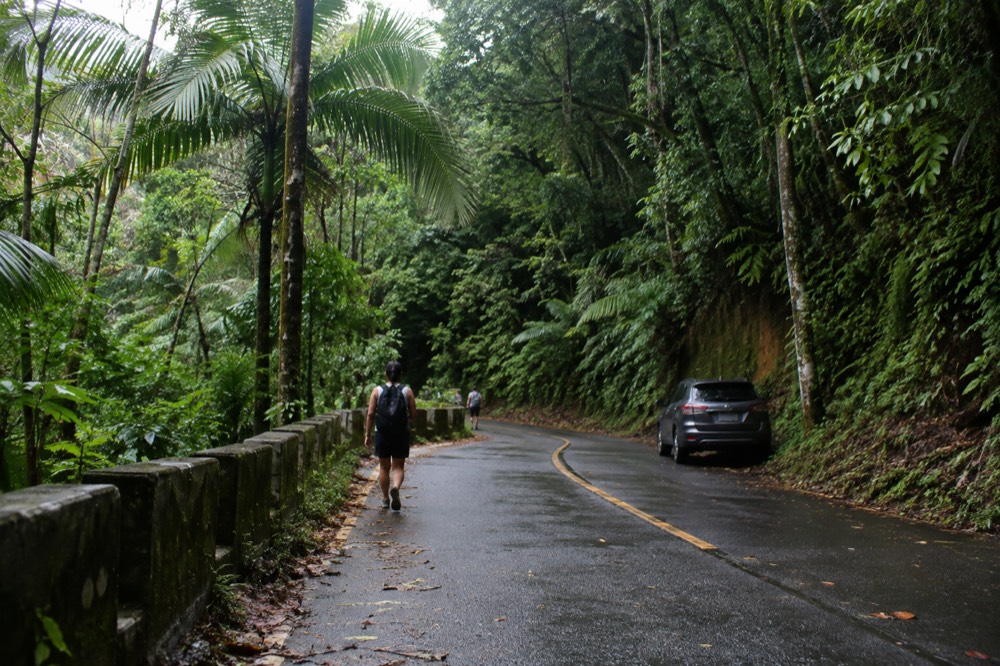
There is also a small fee item that confuses people. The only thing that charges admission in the corridor is El Portal de El Yunque Rainforest Center, the visitor center at kilometer 4.1 on PR-191: $8 for visitors 16 and over, free under 15, and $4 with an interagency pass. That is a visitor-center fee, not a forest entry fee, and a tour that includes El Portal is covering a small but real cost. A proposal to add a $4 La Mina Recreation Area day fee exists, but it is proposed only, with no decision published, so treat any claim that it is already being charged as false.
If you are leaning toward booking, the practical advice is simple: compare what each listing actually includes, because "El Yunque tour" covers everything from a three-hour meet-the-guide waterslide session to a twelve-hour bio bay combo, and the value calculation is different for each. A good starting point for comparing formats is the guide to El Yunque National Forest Tours across the whole roster.
What Does A Self-Driven Day Really Cost?
A self-driven day costs almost nothing in fees: corridor entry is free, no reservation is required, and the only admission charge is the optional $8 El Portal visitor center. The real costs are a rental car, your own parking risk at sites with thirty-minute limits, and the exit problem, since rideshare apps cannot legally pick you up inside the corridor.
For a family of four with a rental car already in the budget, the fee side of a self-driven day is close to zero. You drive up PR-191, you park in designated areas, you walk the trails that are open, and you leave before the 5:00 p.m. corridor closing, ideally starting your exit at least fifteen minutes before that. The Forest Service publishes a conditions page stating all of this plainly, and it is the page to check before any visit: current conditions and access.
Here is how the two options compare on the things that actually cost money or time:
| Cost or constraint | Self-driven day | Guided tour from the roster |
|---|---|---|
| Forest entry | Free, no reservation | Free, no reservation (same) |
| El Portal visitor center | $8 adults 16+, free under 15 | Sometimes included in the tour price |
| Transport | Rental car, plus parking stress | Pickup included on many listings, from $40 to $125 |
| Getting out | You drive out; rideshare cannot pick up in the corridor | The vehicle returns you to your hotel |
| Trail knowledge | You read the alerts pages yourself | The guide tracks what is open |
| Typical price range | Rental car cost only | From $25 (meet-guide) to $225 (full combo) |
The exit problem is the one that catches people. The Forest Service alert on unauthorized transport is explicit that the recreational corridor and El Portal are not pick-up points for rideshare apps, and that the apps force visitors to walk long distances to a valid pick-up point. If you drove yourself in, this does not matter. If you arrived by rideshare hoping to summon another one from Yokahú Tower, it matters a great deal, and it is the single strongest argument for a tour or a permitted taxi for anyone without their own vehicle.
One more planning note: the Forest Service publishes a directory of authorized and permitted tour operators, and it is the only official list of who holds a permit to guide in the forest. Not every operator selling El Yunque trips appears on it, and the list is updated periodically, so it is worth a look if you are deciding between companies: authorized and permitted tour operators.
Which Tours Give The Most Value For The Money?
The best value per dollar on this roster is the meet-the-guide waterslide format: the El Yunque Rainforest Waterslide, Rope Swing & Cliff Jumps tour runs 3 hours from $36 and is rated 4.7 across 952 reviews. If you have a car, you keep the price low by driving to the meeting point yourself and still get the guide, the gear and the swimming spots.
The meet-the-guide format deserves a plain explanation, because it is the roster's quiet bargain. You drive yourself to a meeting point near the forest, the operator takes over from there, and you pay substantially less than the hotel-pickup versions of essentially the same day. The half-day waterslide and rope swing tour works the same way: 4 hours, from $25, rated 4.8 across 8,066 reviews, with free cancellation. Those two listings are the cheapest guided rainforest experiences on the roster, and both are genuinely guided rather than just transport.
At the other end, the combos bundle more of the day. The hike and zipline combo runs 9 hours 30 minutes from $225 and pairs a forest hike with a zipline course, which is a full-day commitment for someone who wants adventure rather than sightseeing. The El Yunque and bio bay combos run around 12 hours from $165 to $184 and add an evening kayak on Laguna Grande in Fajardo, a format that only makes sense if you want to stack both experiences into one long day from San Juan.
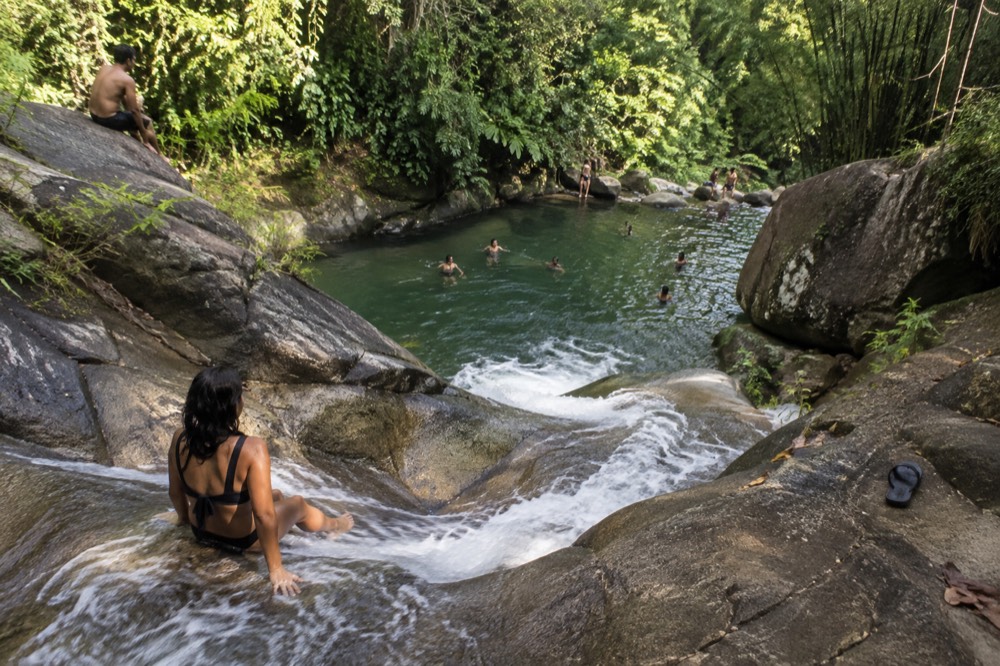
A word on the review numbers, because they are easy to misread. The figures on these listings, like 4.9 across 16,584 reviews on the top-rated small-group waterslide tour, are combined rating pools drawn from the listing platform and its review partner, not a headcount of people who took that specific tour. They are a reasonable signal of operator quality, but they are not "16,584 travelers rated this exact trip." Treat them as a strong general reputation score and move on.
For readers weighing the purchase seriously, the deeper comparison of formats and prices lives in the guide to what El Yunque tours cost, which breaks the roster down by price band and what each band includes.
When Is A Tour Not Worth It?
A tour is not worth it if you already have a rental car, you are comfortable checking the official alerts page yourself, and your priority is the corridor's free roadside sights like La Coca Falls and Yokahú Tower rather than river swimming or a guided hike. In that case a self-driven morning can match a tour's experience for a fraction of the cost.
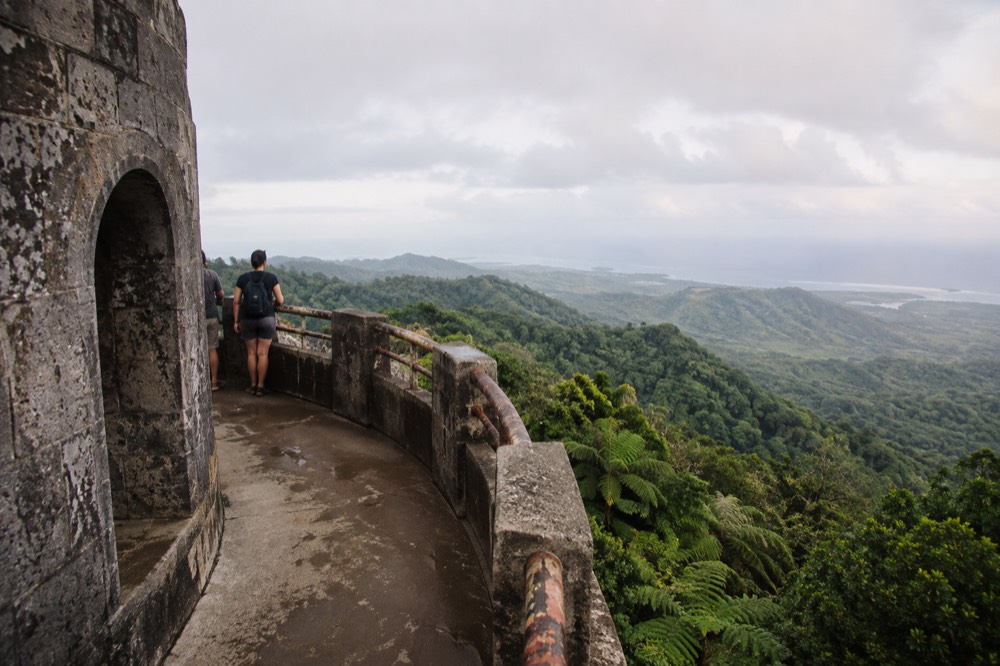
The corridor's headline stops are roadside attractions. La Coca Falls is a viewing stop, an 85-foot drop onto rocks at the base, with no swimming listed among its recreation opportunities. Yokahú Tower is a 69-foot stone observation tower built in the early 1960s, with a thirty-minute parking maximum and views across four forest types to the coastline on a clear day. Neither requires a guide, a permit or a fee, and a visitor with a car and a free morning can do both plus a short trail and call it a good day.
The catch is that the forest's most famous waterfall experience is not currently part of that free day. Both approaches to La Mina Falls, the La Mina Trail and the Big Tree Trail, have been closed for an extended period following the 2017 hurricanes, and the Forest Service's own FAQ says the trail and falls remain closed for construction. Closure status in this forest changes, so the alerts page is the authority rather than any article, including this one: El Yunque alerts and closures.
That closure is quietly one of the strongest arguments for tours. A large share of the independent itinerary advice circulating online still routes people to La Mina Falls, and a self-driver following it arrives at a closed trailhead. A working guide reroutes the day toward what is actually walkable, which on the Luquillo side means river spots like the Río Mameyes along the Angelito Trail, a short, easy path to a designated Wild and Scenic River with listed swimming. If you want a fuller picture of doing it yourself, the piece on visiting El Yunque without a tour walks through the whole self-driven plan.
What About The Waterslide Tours?
The waterslide tours are worth it if you want river swimming and slides, because the famous natural slides at Las Paylas sit on private land outside the national forest, and a tour is the practical way to reach and use them safely. The roster's waterslide options run from $25 to $94.78 and are its most-reviewed category by a wide margin.
The geography here trips up a lot of buyers, so it is worth stating plainly. The natural rock waterslides above Luquillo, commonly called Las Paylas, are on private land outside El Yunque National Forest, with no Forest Service management, staffing or safety oversight. Verified against the Forest Service's own boundary and ownership GIS layers, the slide coordinates return zero features, while a control point at La Coca Falls returns El Yunque National Forest. A tour that sells the waterslides is selling something adjacent to the national forest, not inside it, and that distinction changes what you are buying.
It does not make the tours a bad purchase. It makes them a logistics purchase. The slides and the river pools around them are the most popular water experiences in the area, the operators who run these trips know the spots and the conditions, and the format works: the top-rated 7-hour small-group tour is rated 4.9 across 16,584 reviews from $45, and the whole waterslide family dominates the review counts on this roster. Several of those trips also include cliff jumps and rope swings at specific operator-known spots, which are real activities at those spots, not a general permission to jump from rocks anywhere in the forest.
The safety caveat belongs here too, because the Forest Service repeats it on every river page: flash flooding along El Yunque's rivers can happen unexpectedly, a sudden surge can claim victims in less than one minute, and flooding is most frequent in the rainy months of April and May. A guide who watches conditions is part of what the money buys on any river day. If you are deciding between the slide formats, the guide to Luquillo waterslide tours compares them stop by stop.
How Do You Decide, Honestly?
Decide on transport first, swimming second, budget third. No car and you want the forest: buy a pickup tour, it is worth it. Car and no interest in swimming: drive yourself, it is nearly free. Car and you want the slides and river pools: buy a meet-the-guide tour, the cheapest guided format on the roster. That single decision tree answers the question for most travelers.
Put another way, the readers who regret buying a tour are usually the ones who had a rental car and wanted a quiet sightseeing morning, and the readers who regret skipping one are usually the ones who underestimated the parking, the rideshare exit problem or the closure situation. The fee side of the ledger is almost irrelevant: the forest is free, El Portal is $8, and no proposed fee has been decided. What you are buying with a tour is a solved day.
If you land on the tour side of the decision, these three cover the main formats worth comparing:
Common Questions About El Yunque Tours
Are El Yunque Tours Worth It?
For most travelers without a car, yes: entry is free and needs no reservation, so the tour's value is in permitted transport, legal drop-offs, parking and current trail knowledge, all of which are hard to replicate independently. With a rental car and a sightseeing-only plan, a self-driven day is the better value.
Do I need a tour to enter El Yunque?
No. The PR-191 North recreational corridor is free to enter, no reservation is required, and hours are 8:00 a.m. to 5:00 p.m. The only admission charge is the optional $8 El Portal visitor center. A tour buys logistics, not access.
Can a tour skip the line at El Yunque?
There is no line to skip. The old timed-entry reservation system no longer exists, and capacity is managed through designated parking. Any listing or article implying a tour grants priority entry is repeating outdated or false information.
Why can't I use rideshare to leave El Yunque?
The Forest Service states that the recreational corridor and El Portal are not authorized pick-up points for rideshare apps, and that visitors have been forced to walk long distances to a valid pick-up point. Permitted taxis, authorized tour operators or your own vehicle are the sanctioned ways out.
Are the cheap waterslide tours any good?
The meet-the-guide waterslide tours are the roster's cheapest guided options, from $25 to $36, and they carry strong ratings, including 4.8 across 8,066 reviews for the half-day version. You drive to the meeting point yourself, which is how the price stays low.
Is it better to drive myself?
If you have a rental car, want the roadside sights and are willing to check the official alerts page, driving yourself is excellent and nearly free. Factor in designated-parking rules, thirty-minute limits at Yokahú Tower and Juan Diego, and the 5:00 p.m. corridor closing.